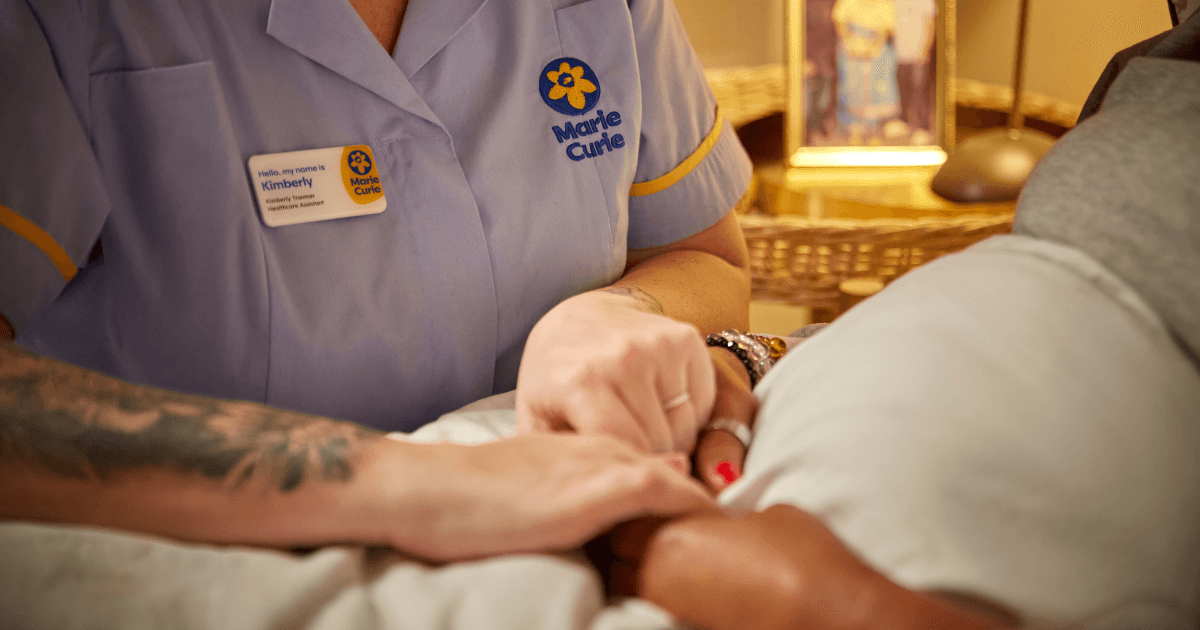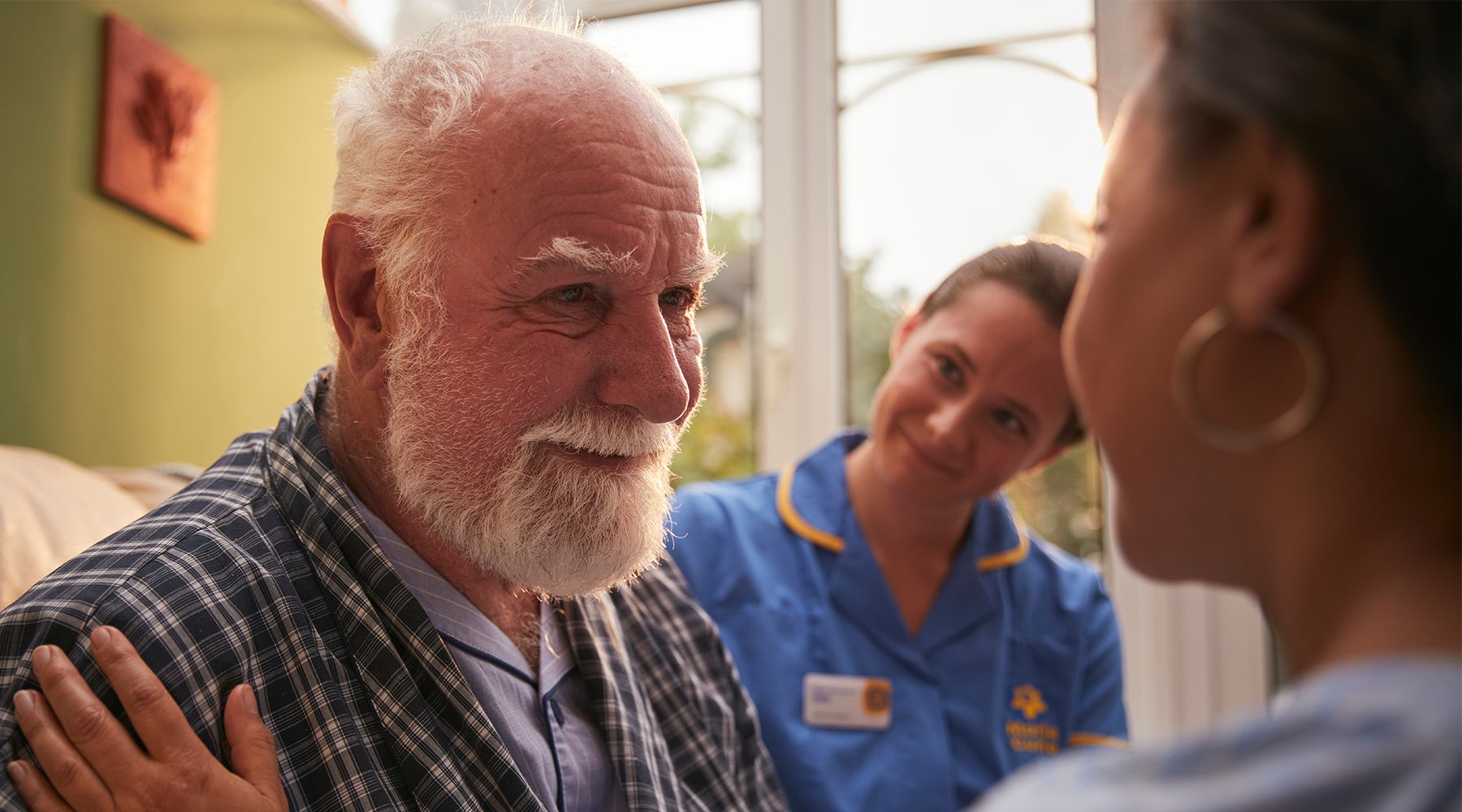
Every day, I am inspired by families who witness their loved ones treated with dignity, kindness, and comfort at the end of life.
These moments of compassion are invaluable, yet I am acutely aware that too many people still face pain, distress, or isolation – a stark reminder of the urgent need for us to reach more individuals. It is this disparity that fuels the relentless drive to extend our impact further.
Not just numbers
The need for services is escalating rapidly. People are living longer, often with multiple and complex health conditions. By 2048, palliative care demand is projected to rise by 25%, affecting an additional 147,000 people annually. Currently, one in four people do not receive the care they require, with disadvantaged groups - minoritised communities, LGBTQ+ individuals, and those living in poverty – particularly affected.
These are not mere numbers; they represent real people deprived of the support and dignity they deserve.
An enormous challenge
All of this takes place against a backdrop of financial uncertainty. Charities face mounting fundraising challenges, while the UK’s economic pressures persist. Despite these headwinds, Marie Curie’s commitment to transforming the way we deliver end of life care remains steadfast. Our mission is clear: ensure every dying person receives the support they deserve, and regardless of which organisation delivers that care.
Reviewing our annual report and accounts for 2024/25, two truths stand out: the remarkable commitment of our supporters, staff and volunteers, and the enormity of the challenge ahead. In 2024/25, collective efforts enabled us to raise £181.1 million, a 7% increase, with fundraising alone rising by 18%. An amazing effort given the economic climate.
Impossible choices
Yet, financial strain persists. Demand for end of life care continues to outstrip resources. We ended 2025 with a planned £7 million deficit – an improvement on the previous year, but still unsustainable over the long term. With NHS funding declining by nearly £5 million in 24/25, fundraising and goodwill alone cannot bridge the growing gap.
Rising costs, and an unexpected annual £3 million employer National Insurance Contribution bill, add further pressure, while NHS funding fails to keep pace. This funding gap isn’t just numbers on a spreadsheet – it’s people facing impossible choices.
Equally, like many in the sector, we have had to make difficult choices about which services we can afford to continue and which deliver the greatest impact. The same is true for local commissioners who are having to make tough decisions on which services to fund or decommission.
Standing still is not an option
Across the hospice and palliative care sector, we all recognise that the challenges and pressures we face are not unique to any one organisation. Despite these pressures, innovation and partnership remain our sector’s greatest strengths. Last year, Marie Curie introduced 20 new services, integrated throughout GP practices, hospitals, and A&E departments – a testament to what collaboration can achieve.
For example, our partnership with University Hospitals Plymouth NHS Trust introduced a seven-day service that improves end of life care across the trust.
Our staff work alongside NHS teams at Derriford Hospital’s emergency department and Mount Gould Community Hospital, identifying and supporting patients and their families who need end of life care and emotional support.
This multi-site initiative helps more than 1,200 people each year, reducing unnecessary hospital stays, preventing deaths in emergency departments, and enabling NHS staff to deliver a better quality of experience.
We need collective action
As a sector, we must build on these efforts – sharing ideas, resources, and solutions – to ensure sustainable and equitable end of life care for everyone in need. Collaboration lies at the core of these solutions. The scale of the challenge demands collective action from the NHS, local authorities, charities, and community groups.
The UK government’s announcement of a new Palliative and End of Life Care Modern Services Framework for England is welcome and overdue. However, genuine change requires more than policy – it demands sustainable funding and a commitment to prioritise end of life care within our health system. Temporary fixes are no longer sufficient; a national shift is needed towards compassionate, proactive community care.
We need to deliver innovation and reach more people who need our support, wherever they may be and however they receive care. Achieving this will require steadfast commitment, partnership, and investment.
This article first appeared on ehospice.com in December 2025.