Few people wish to spend their final days in the unfamiliar, often overwhelming surroundings of a hospital. Yet, for too many families, this is the reality. This must change.
We hear daily from people who want nothing more than to be at home, surrounded by loved ones and familiar comforts, but find themselves in crisis with nowhere else to turn.
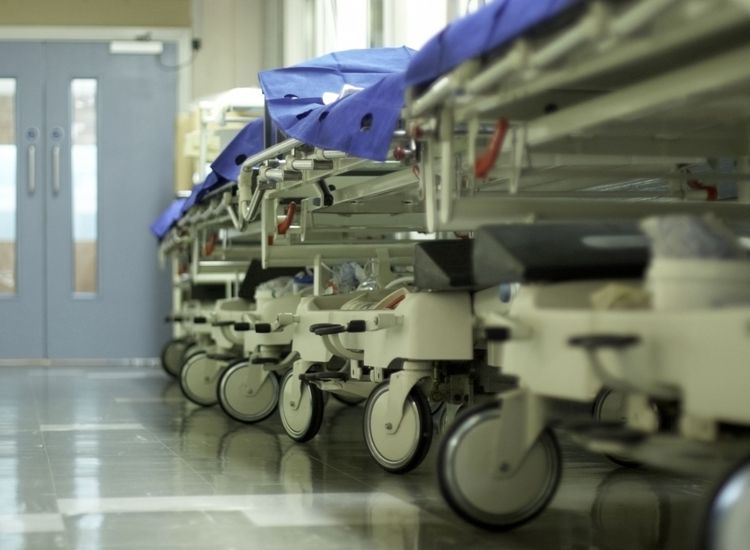
It's deeply concerning that too many dying people end up unnecessarily in Accident and Emergency when with the right care, they could safely be at home.
Urgent and emergency care at the end of life
We know how distressing it can be for families to watch a loved one spend their final days in a busy hospital environment. Far too many people at the end of life end up in hospital when they don't want, or need, to be there.
Across England, 14% of all emergency hospital admissions involve people in the last year of life and 6.6% of people had three or more emergency admissions in their final three months of life.
Our research on public attitudes to death, dying and bereavement in the UK highlighted that most people want to receive care at the end of their life and die in the community rather than in hospital. But a lack of 24/7 palliative and end of life support in community means this isn't possible for too many people.
A human and economic cost
Visits to A&E, ambulance call outs and emergency admissions can all be highly distressing for dying people and their loved ones. But they are also very expensive for our health and care system.
We spend £12 billion annually on healthcare for people in the final year of life. But that spending is disproportionately distributed towards hospitals rather than care in the community.
Of public funds spent on healthcare for people in their last year of life, 81% is spent in hospital, and 56% on emergency hospital care. Only 11% of healthcare expenditure for people in their last year is spent on primary and community care.
Getting help at night, or the weekend
Terminal illness doesn't respect the clock. The health of someone living at home with an advanced illness can deteriorate suddenly at any time – day or night, during the week or at the weekend.
If this happens outside of ‘normal’ working hours (Monday to Friday, 9am-5pm), accessing care in or near to their own home can be particularly difficult. A lack of out of hours provision makes it more likely that dying people end up in a crisis that requires use of ambulances, A&E, and emergency hospital admissions.
The current situation leaves too many people without the help they need, exactly when they need it most, leading to unnecessary distress for them and their loved ones. We owe it to those approaching the end of life to change the way care is provided.
A joined-up approach
At Marie Curie, we're already helping to play our part through services like the Responsive Emergency Assessment and Community (REACT) Team in Bradford.
In this service, our palliative care experts work in the city’s hospital’s emergency department. They look out for people who need palliative care and, when possible, help arrange the right support for them to be cared for at home. This joined-up approach is helping to reduce the number of days people in their final year of life spend in hospital.
What needs to change
We need urgent action to ensure that dying people can get the care they need closer to home:
-
Every part of the country should have a 24/7 single point of access palliative and end of life care telephone advice line, staffed by professionals with specialist palliative care expertise who can provide advice, guidance and support to access local services.
-
Palliative care must be fully embedded in every neighbourhood health centre in England, enabling early identification of palliative care needs and advanced care planning.
-
Palliative and end of life care should be a compulsory part of training for all health and care professionals, including those in primary care and emergency medical services.
By implementing these vital changes, we will make it possible for more people to receive the comfort, dignity, peace, and support they require in their final days, weeks, and months.