Dr Emma Maun explores how common loneliness is at the end of life, how it can affect people and how services and society can provide support.
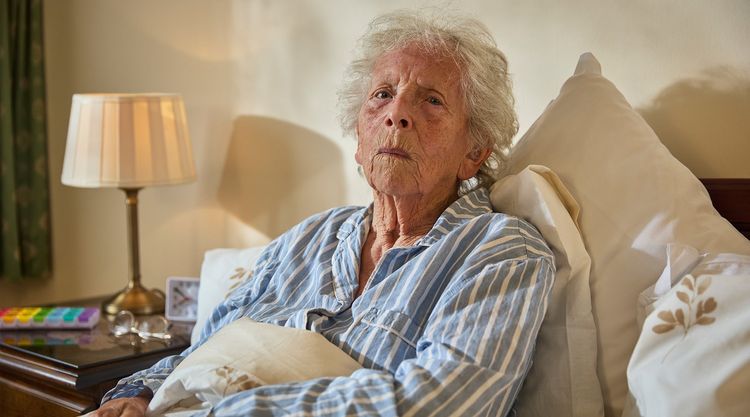
In the UK, it’s increasingly common for people with a terminal illness to live and die in their own homes. Changes to health and daily routines at this time of life can contribute to feelings of loneliness, which is increasingly linked with poorer quality of life, including pain, breathlessness or depression.
Our latest research investigated just how common loneliness is during the last year of peoples’ lives. We found that almost one in three people (32%) experienced loneliness at least some of the time.
It’s vital we better understand how people can be affected by loneliness in their last years and months, and make it a priority for policymakers, care providers and communities.
What is loneliness?
Loneliness can occur when there’s a mismatch between people’s wants and needs in terms of companionship and social interaction, and what they're experiencing day to day. Simply being alone isn’t the same thing as loneliness. Someone might be content to be in their own company, or feel lonely when surrounded by others.
In our research, we defined loneliness as experiencing each of the feelings of isolation, being left out or lacking companionship at least some of the time.
What can contribute to loneliness at the end of life?
The last year of life can be a time of re-building or strengthening connections during the hardest of circumstances. However, some of the changes that occur with a terminal illness can contribute to feelings of loneliness.
Deteriorating physical health and reduced mobility can make it harder to maintain social connections. Frequent medical appointments and intensive treatment can leave people with less time and less energy to see loved ones. As care needs increase, long-established dynamics with a partner, family and friends can change. Sometimes this can create feelings of loneliness even when surrounded by those closest to us.
Some people choose to live alone or reduce their social circle. But if this isn’t a choice, having fewer social contacts can create the circumstances for loneliness to develop.
In addition, stigma can contribute to feeling lonely and make it harder to reach out for support that is available.
These complex dynamics, personal to each individual, make it very challenging to identify and address loneliness.
Looking after yourself if you live alone
How common is loneliness at the end of life?
In this research, we analysed a UK wide sample of 740 adults in their final year of life, finding that almost one in three people (32%) experienced loneliness at least some of the time.
Certain groups were at greater risk. People who were widowed, divorced or single were more likely to experience loneliness than those who were married. People living with a likely mental health condition were also at higher risk, as were those living with multiple physical or cognitive impairments.
These findings demonstrate the scale of loneliness and signal to policymakers, care providers and communities that understanding and addressing it should be a priority.
How can services and society provide support?
Palliative and end of life care aims to meet a range of needs of people approaching their end of life. This includes social needs as well as physical and psychological symptoms and practical support.
Communities and wider society have an important role to play alongside health and care services to ensure everyone has the social support they need. A recent Marie Curie-funded review of existing evidence found multiple ways organisations and society can support people feeling lonely at the end of life.
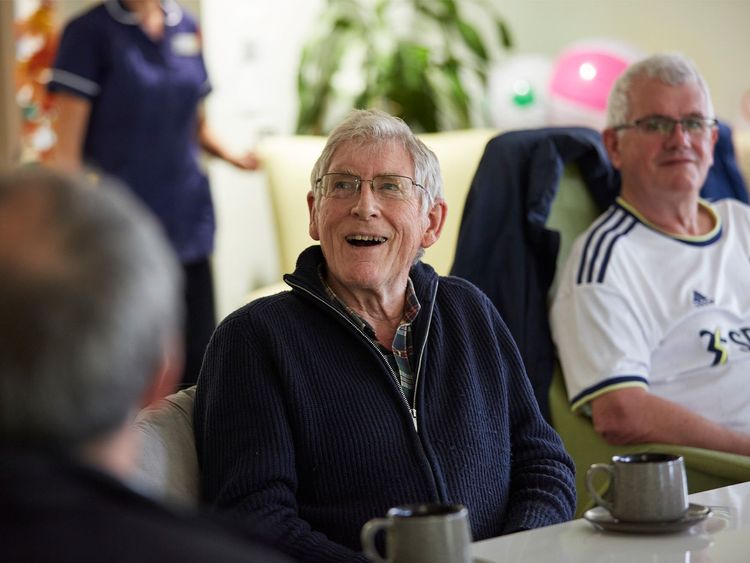
Men's Sheds in hospices can provide a safe, supportive environment where a group of men can come together to talk and share their experiences of bereavement or terminal illness.
No one-size-fits all
Ideally, support is tailored to the existing networks and needs of each person. This can include initiatives such as Marie Curie Companions where a volunteer regularly provides emotional support over the phone or in person. There is even early evidence of benefits from using innovative technologies such as virtual reality. Group-based activities such as Men's Sheds in hospices are spaces where men who are bereaved, caring for someone or ill themselves can meet, carry out activities and talk to others in similar situations.
As well as supporting the person who’s ill, support for carers is also crucial, as carers can also experience profound loneliness but may place their own needs last.
At a wider community level, services need to integrate better to stop people falling through the gaps. Initiatives such as Compassionate Communities can offer community-specific and -led support, drawing on the resources and culture of a particular place.
More research is needed on the best ways to reduce loneliness at the end of life and approaches such as these need to become more widespread.
Reducing loneliness will require greater recognition, investment and collective action. If we are serious about improving experiences at the end of life, tackling loneliness must be part of the solution.
Also of interest
-
Read Emma's previous research: Loneliness among adults at the end of life: A systematic review of prevalence and correlates (Emma Maun, Clare Gardiner, Tracey McConnell, Kathy Seddon, Andy Woodhead, Briony Hudson, 2026)
-
Read Marie Curie’s funded research related to loneliness: Loneliness in Advanced Life-Threatening Illness: An Integrative Review, 70 years of end of life care in the community