One person shared a simple wish: if she became seriously ill, she’d like her bed to be moved so she could look out at her garden. It was a small detail, but it led to a bigger reflection about what matters most.
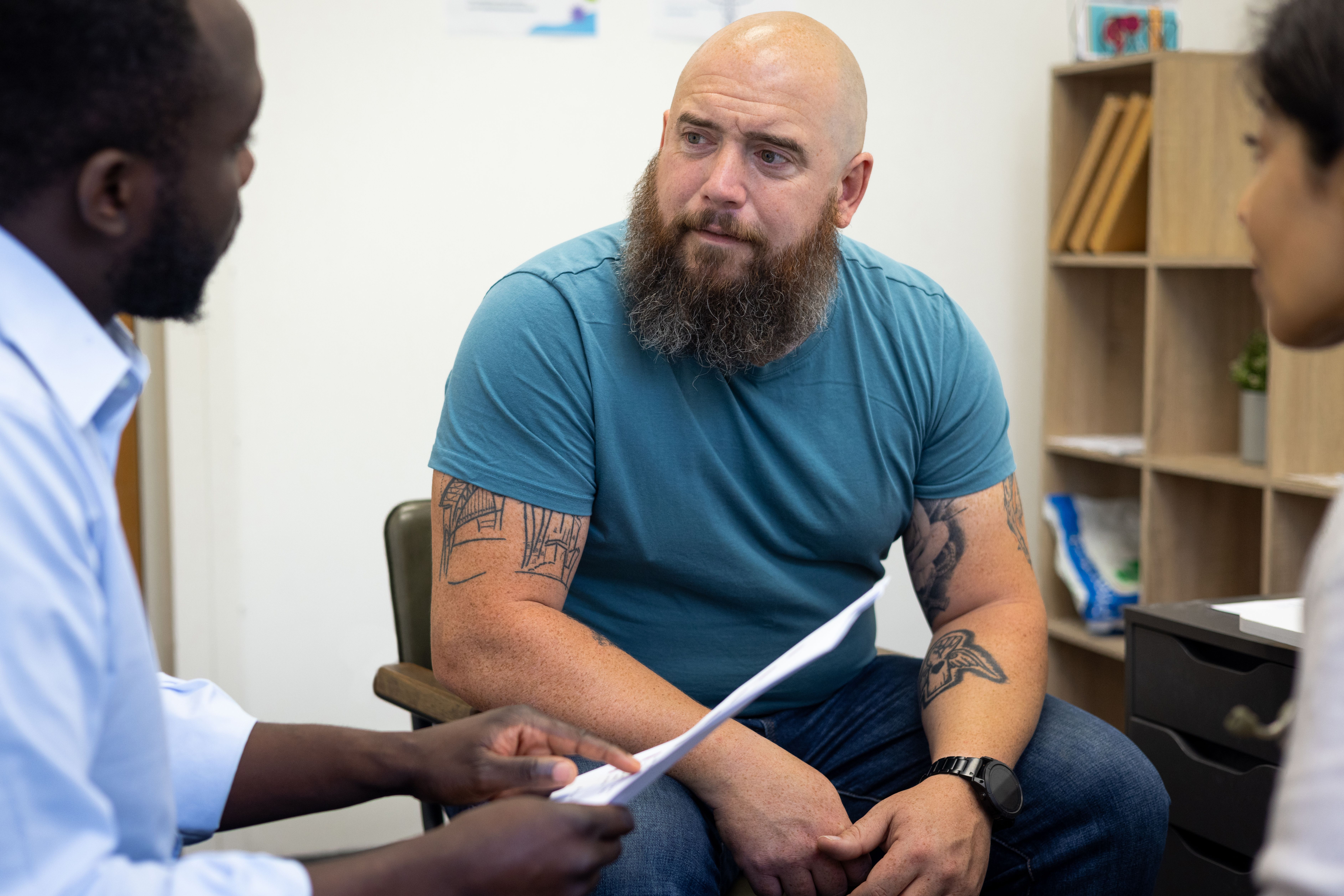
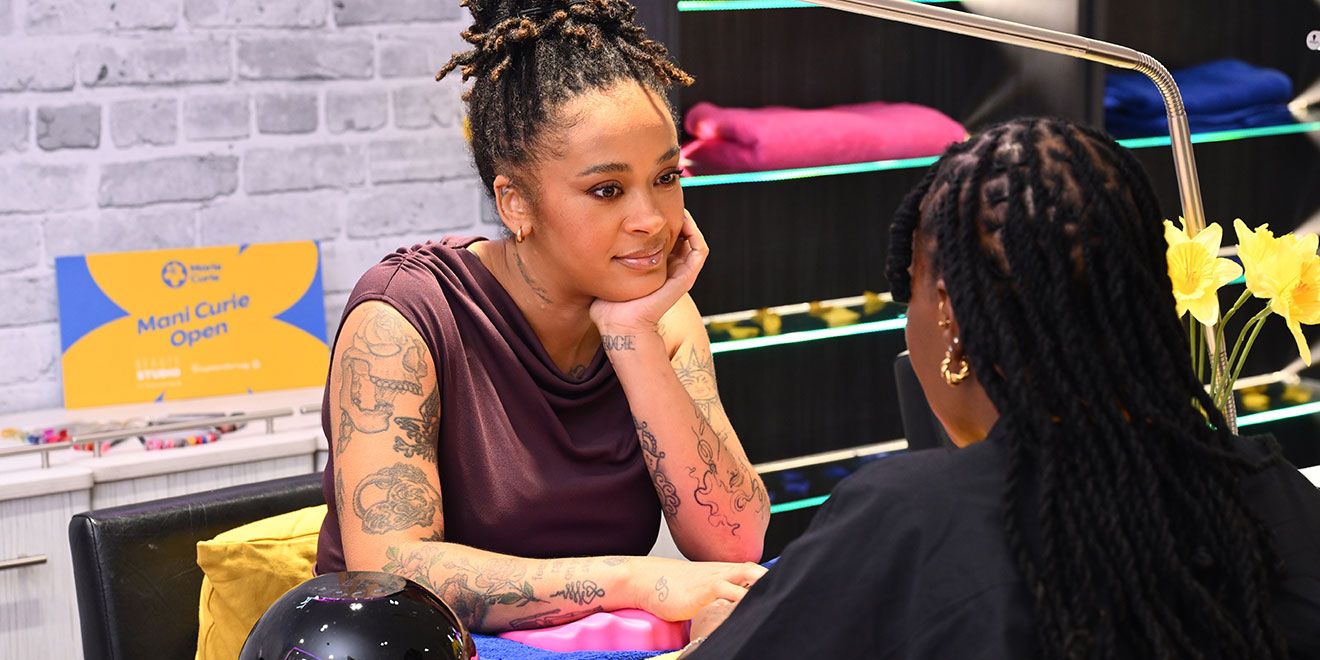
Life Cafés bring people together in familiar, trusted places to talk about death, dying, grief and future wishes. They create opportunities for conversations people may otherwise avoid, helping people explore thoughts and wishes they may never have shared, or even considered, before.
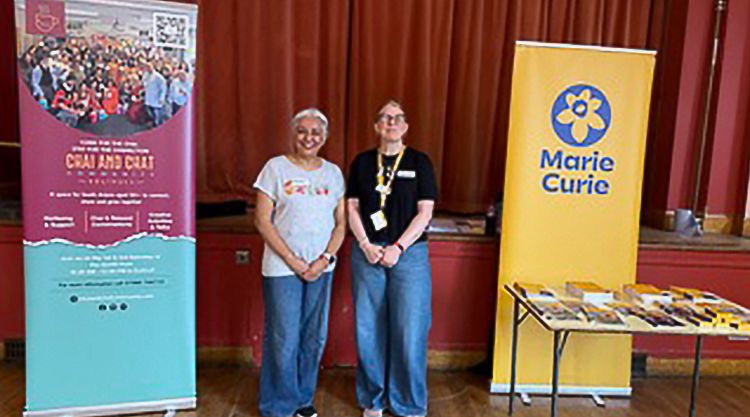
Together, Marie Curie’s Community Engagement Lead, Hannah Nolan, and Chai & Chat founder Manisha Sharma reflect on the conversations a Life Café sparked within the South Asian Chai & Chat community group in Solihull.
What is a Marie Curie Life Café?
Hannah: For me, Life Cafés are about giving people a welcoming space – whether that's over a cup of tea, or in a familiar room – where they can talk about topics that can feel sensitive or overwhelming.
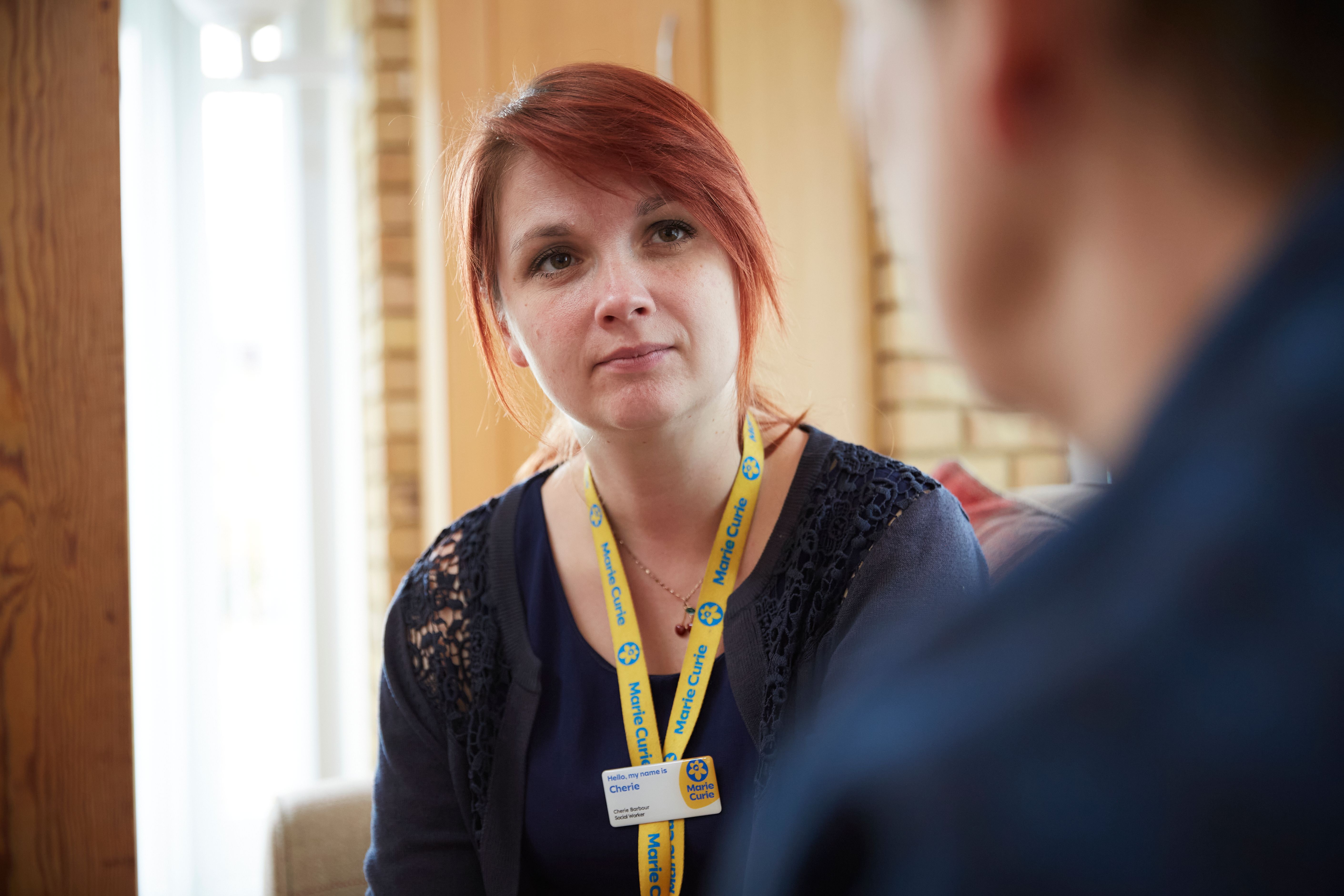
I run sessions with community groups across the Midlands, shaping each one around the people in the session. They're informal conversations where people can reflect on what’s important to them, ask questions and feel heard.
Why did you bring a Life Café to Chai & Chat?
Hannah: After her mum received hospice care, Manisha got in touch because she wanted her group to feel more confident talking about topics that families sometimes avoid, such as bereavement and end of life planning.
Manisha: We've seen many people lose their life partners in recent years, while others are supporting partners or family members with very poor health. We needed a safe space to talk about end of life and bereavement, so this session felt incredibly important.
Hannah: Together, we created a session that felt supportive and relevant to the people attending.
How did people respond to the conversation?
Hannah: Over cups of chai, conversations turned to dignity, respect and what good care really looks like. People talked about the importance of being listened to, having their wishes respected and being treated as individuals.
When people described good care, they didn't talk about treatments or services. They spoke about kindness, holding someone's hand and creating a comforting environment. Those conversations naturally led to discussions about family relationships, beliefs and what matters most. I've found that conversations about dying are often conversations about living.
Manisha: Many people in the group live alone and find it difficult to speak with family members about these topics, so being able to start these discussions was so powerful.
Was there a moment that stayed with you?
Hannah: One of the most striking moments came when several people shared that they'd never spoken about their end of life wishes with those closest to them. For some, it was the first time they'd paused to think about what they might want and how important it can be to let family and friends know.
This opened up an honest conversation about why these topics can feel difficult or even taboo.
Manisha: A powerful moment was when one lady shared that she lives on her own and that, if she became very ill, her wish would be to stay at home and have her bed moved so she could see her garden. It brought us together as a group.
Hannah: That moment stayed with me too. Something as simple as being able to look out at a garden can mean so much to someone. It was a reminder that what matters most at the end of life is often deeply personal.
Why do you think the session worked so well?
Hannah: People were already comfortable with each other, which meant they felt able to be honest and talk about topics that can feel difficult or sensitive. That's why community groups can play such an important role in these conversations.
Manisha: Chai & Chat have been meeting twice a month for the last two years and, over that time, our members have got to know one another and build their confidence. Delivering the session with faces they knew and trusted, in a familiar space, was an essential part of helping members feel able to speak about such personal issues.
For many people, whether from a South Asian background or not, conversations about death and dying don't happen very often. Having the opportunity to reflect, share experiences and talk openly about these topics was invaluable. The feedback after the session really reflected that. People told us, "That was brilliant, we should do this again", "I never thought about it like that" and "I didn't think it would be like this, but it was really good."
If you're part of a community group in the Midlands and would like to explore these conversations in your own group, find out how Hannah and her team can support you. Get in touch.
If you're a healthcare professional interested in bringing these conversations into your community work, explore the Life Café model developed by Lab4Living in collaboration with Marie Curie, and get inspired to start your own. To explore how this could work in your community, get in touchwith Hannah and her team.