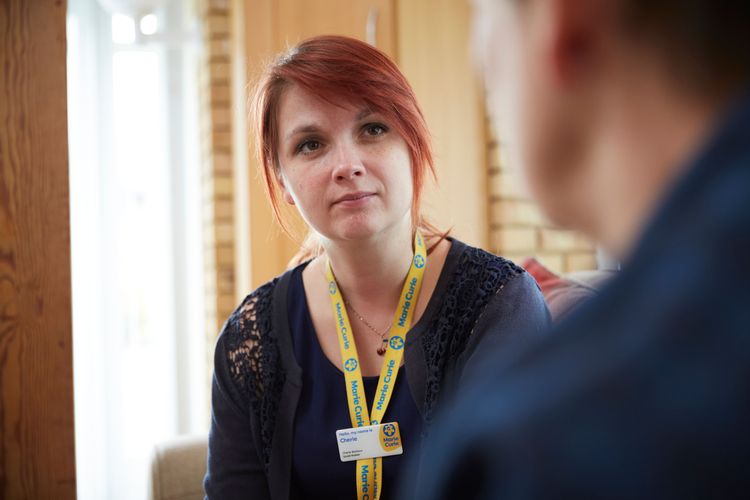
From care funding to housing, Marie Curie Palliative Social Worker Cherie Barbour helps people get what they need to live as well as possible to the end.
I went into social work because I wanted to work with people and learn about their lives. Working in the Marie Curie Hospice, Newcastle gives me time to build relationships.
A lot of people at the end of life say that they didn't know what support's available, or they've tried and they've not had much help. They really appreciate somebody sitting down to explain.
I get a handover every morning in our multi-disciplinary team about the patients on the ward, what their diagnosis is, their age, and how they've been overnight.
I like working in a multidisciplinary team. It's a positive experience, we all work together jointly, drawing on our own areas of knowledge and skills. The medics use the medical model, and I use the social model.
“Social work to me is about working in a holistic way.”
You can't just look at the medical aspects of someone’s care. Getting pain under control is so important but you've got to look at everything else going on as well, because everything impacts on a person’s illness and their wellbeing.
You can't just look at an individual by themselves. You've got to consider everything about them and how it all interlinks and impacts the family. Finances, benefits – are they getting what they’re entitled to? Housing too. There's so much to take into account.
“We listen to people’s views and the family’s views.”
When someone comes into the inpatient ward, and they're deemed medically stable, we support with discharge. If a person wants to go home, then we look at getting care workers in, the different funding streams, and discuss all of that with them. We listen to their views and the family’s views about where they want to be.
We look at how their care in the community would be funded. The whole system is a minefield. I try to help people navigate it, because they've got enough to deal with.
If I don't know the answers immediately, I'll find out. I try to speak in jargon free terms because all the systems and processes can be complicated.
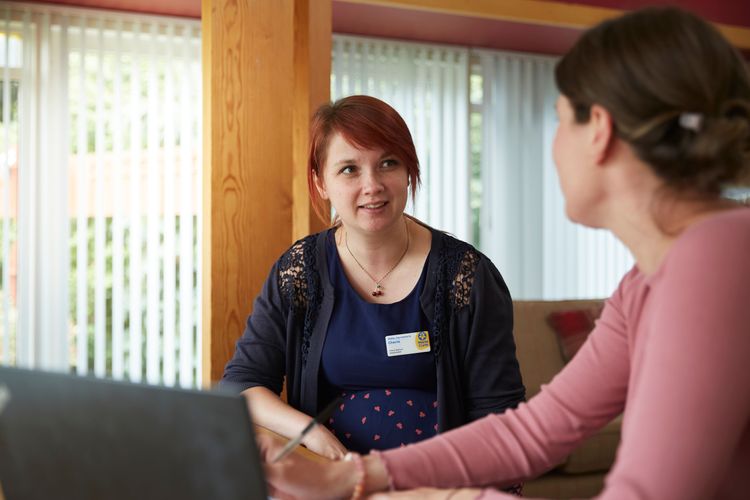
Cherie works in a team to help support every patient with their individual needs
“Promoting independence is so important.”
If someone wants to go home, our occupational therapist will see if they need to go out and assess the home environment and if they need any equipment. Then I gather information from the person, the nurses, the whole team, about what their needs are.
Someone might be able to brush their hair and wash their face, but they might need help to wash and dry hard-to-reach areas. I specify what tasks are needed and share this with the team who put it out to their list of care agencies to see who's got availability. Then I liaise with the person when the Integrated Care Board (the part of the NHS that plans local healthcare) has found a care agency for them.
I share information directly with the care agency to make sure they've got as much information about people as possible. Not just their care or medical needs, but their interests, to help carers to build a relationship.
I tell people about the Marie Curie overnight service and the Marie Curie Companion service as well.
“The best ‘thank you’ I have ever received.”
A patient recently really wanted to go home. Although he was happy with his care in the hospice, it wasn’t home. He wanted to be back in his own environment where he feels comfortable and content. He was very anxious and needed lots of reassurance that we were listening to his wishes and putting the care and support in place to meet his needs.
Once this all came together, with carers visiting four times a day to support with aspects of personal care, moving and handling, I updated him. I said we could organise a date for him to go home. He was very emotional and thankful. He told me how grateful he felt and had happy tears, thanking me repeatedly. This was such a special moment.
“We support with all sorts of things from Wills to housing.”
It's good for people to know about what else is on offer. We support with making sure people have got things in order, like Wills or lasting Power of Attorney. We help with the forms so if people aren't able to make certain decisions in the future, they've got something in place for a chosen person to do this for them.
If somebody's in unsuitable housing and they need it to be accessible, maybe one floor living, then we can support with the housing application.
The role of social work in palliative care is so important. Being able to work with the occupational therapist, physiotherapist, nurses and medics really helps. I need to gather information from all these disciplines to help people be cared for in the place that’s right for them. It’s such a rewarding job and I feel so privileged to support people and their families in the last chapter of their life.
If you’re living with terminal illness, or caring for someone who is, you can get free practical and emotional support from our Support Line on 0800 090 2309. Or find out about our services in your area.
All rights reserved. Contact stories@mariecurie.org.uk for more information.