Even though he had stage four prostate cancer, my dad Neil was rejected for Personal Independence Payment (PIP) and had to keep working in a physically demanding job as a plumber until he simply couldn’t carry on.
Dad didn’t receive support through the 12-month fast-track route (SR1 form), which is meant to help people nearing the end of life, until just six weeks before he died. No one should have to fight for financial support at such a difficult time.
Dad wasn’t just my father; he was my best friend
He was proud, kind and incredibly sociable, with a love of the outdoors. He spent years walking in the Lake District and Scotland, working his way through the Wainwrights.
My Dad was diagnosed with prostate cancer in 2019 at the age of 56 and died six years later, on 13 July 2025.
As his illness progressed, we watched him lose the things he loved most while trying to make the most of every moment together. At the same time, we were battling to access the financial support he was entitled to.
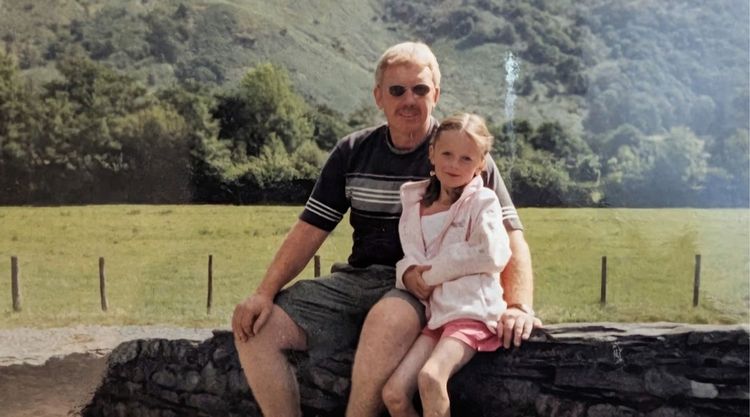
Me with Dad when I was little. He was my best friend.
The pressure to keep working
Dad underwent three rounds of chemotherapy alongside other treatments while continuing to work as a self-employed plumbing and gas engineer.
He refused to let cancer define him. But the reality was that he felt enormous pressure to keep working. He was fitting bathrooms and putting huge strain on his body when he was seriously ill.
Looking back, he shouldn’t have been working five or six days a week just to maintain an income while coping with cancer and everything that came with it.
Applying for PIP
It was three years after his diagnosis in 2022 when he first applied for PIP. Being self-employed, he got no income when he wasn’t at work and by that point he was unable to work for significant periods due to the chemotherapy, which left him feeling ill for a lengthy period afterwards. But he was rejected.
Knowing my dad, he would have focused on what he could do. He could wash and dress himself, so that’s what he told them. He wouldn’t have talked about the days after chemotherapy when he felt absolutely dreadful.
In 2023, a local service called DIAL tried to help him apply again. He sat in an appointment where they encouraged him to describe his worst days, but that went against everything he believed in. He was hard-working, honest and determined. As far as he was concerned, it felt like lying and he decided not to continue the application.
To challenge the original rejection, he would have needed to go through an appeals process. Who, while living with stage four cancer and undergoing treatment, has the energy for that?
Like many people with terminal illness, he simply didn’t have the strength or emotional capacity to keep fighting.
What benefits can you claim if you're terminally ill?

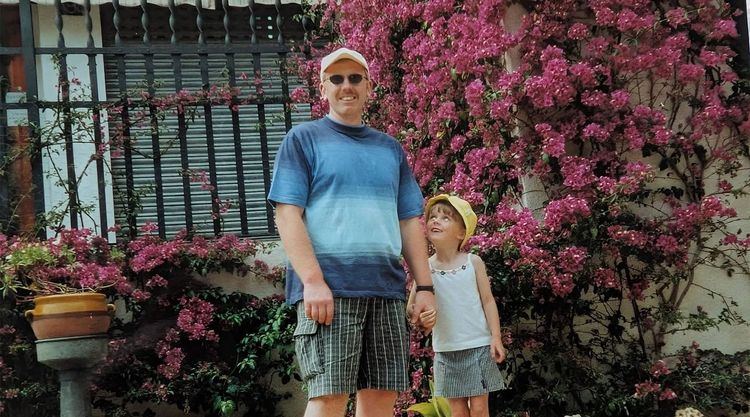
Out hiking with my mum, Lisa, and dad, Neil, in happier times. Dad loved the outdoors.
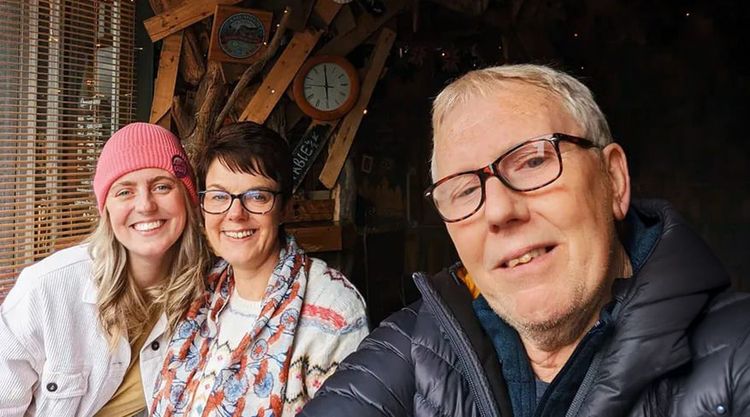
Dad was hard-working, honest and determined. He hated the idea of focusing on what he couldn't do and tried not to let the cancer define him.
Finding ways to cope
As Dad became more unwell, he gradually reduced his workload. By January 2025, work had almost stopped altogether, although he would still try to do a day or two when he felt able.
Money became a frequent topic of conversation. Thankfully, my mum could continue working part-time. I helped them access support with their water bills and pointed them towards local food pantries and community shops.
What I didn’t know about was the Special Rules route. All I knew was that the SR1 process required someone to be expected to die within 12 months.
Dad’s cancer had been stage four from the beginning. It was incurable and always terminal, but no one ever clearly told us he was nearing the end of life until very late. It often felt as though professionals were afraid to have those conversations.
A few years after his diagnosis, Dad decided to start drawing his pension because he didn’t know how much time he had left.
Too little, too late
For years, I kept thinking that if someone would formally recognise how ill Dad was, the SR1 could be submitted. In the end, he only received support through the fast-track route six weeks before he died.
Throughout those six years, my mum and I learned what it meant to be unpaid carers. Balancing those responsibilities with work and daily life was incredibly challenging.
One of the hardest things to process is that, following Dad’s final hospital admission, we discovered he had been living with meningitis and organ failure. We’d been worried about his symptoms, and they were being looked into, but the cause wasn’t discovered until just five days before his death.
That has had a profound impact on our family. Grief is difficult enough, but it becomes even harder when you are left wondering whether more could have been done sooner.
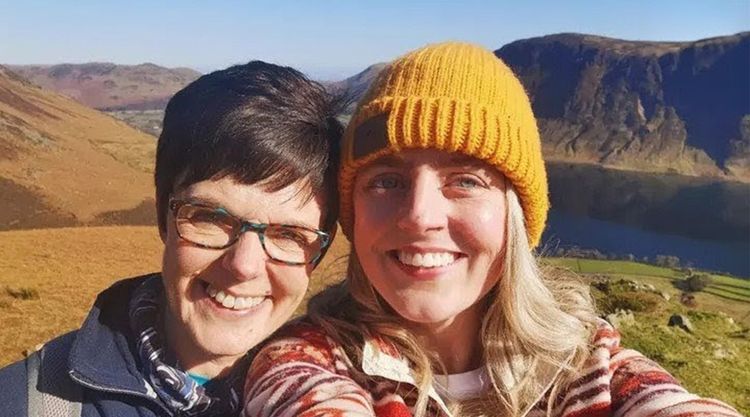
The grief of losing Dad has been very hard for us. Being outdoors and talking to others can help, which is why I set up Walking through Grief Barnsley.
Dad deserved better
We should have been able to focus on spending time together and making memories. No one should spend the final years of their life worrying about money, navigating complex benefits systems or trying to prove how ill they are.
I often think about people who don’t have someone to help them navigate these systems. Many simply don’t know what support is available.
There needs to be a better safety net for people living with terminal or life-limiting illnesses, especially those undergoing intensive treatment and unable to work. This is an issue that still needs shouting from the rooftops.
Since Neil’s death, Amy has set up Walking Through Grief Barnsley, a community walking group supporting bereaved women across the borough.
Need to talk? Call our free support line
Getting the issue fixed
The Special Rules for End of Life benefits system isn't reaching everyone it's meant to support. According to the “Take up” study,, a Marie Curie-funded research project at King’s College London, around one in three eligible people are missing out.
Our recommendations include:
- ensuring a wider range of clinicians can confirm someone's eligibility for Special Rules
- improving healthcare professionals’ awareness and use of the Special Rules process
- considering introducing a more flexible definition of terminal illness that removes the 12-month prognosis requirement.
Read more in the full briefing for policy makers, Improving terminally ill people’s access to Special Rules .