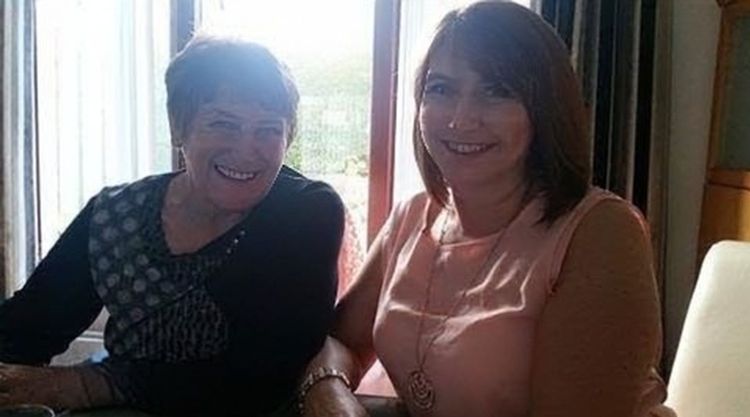
New research shows that for too many people in the last year of life, relying on unscheduled and emergency care is the norm. In this blog, Tasha and Kim share their experiences of emergency care in the last months of their parents’ lives.
Attending the emergency department or calling an ambulance are necessary and appropriate for many people living with palliative care needs. But when people come to rely on unscheduled care due to a lack of alternatives, they can suffer.
Tasha’s dad Stanley and Kim’s mum Doreen are two of these people. Here, they share their stories, showing the real experiences behind the statistics published in new Marie Curie-funded research.
“We were there all night”
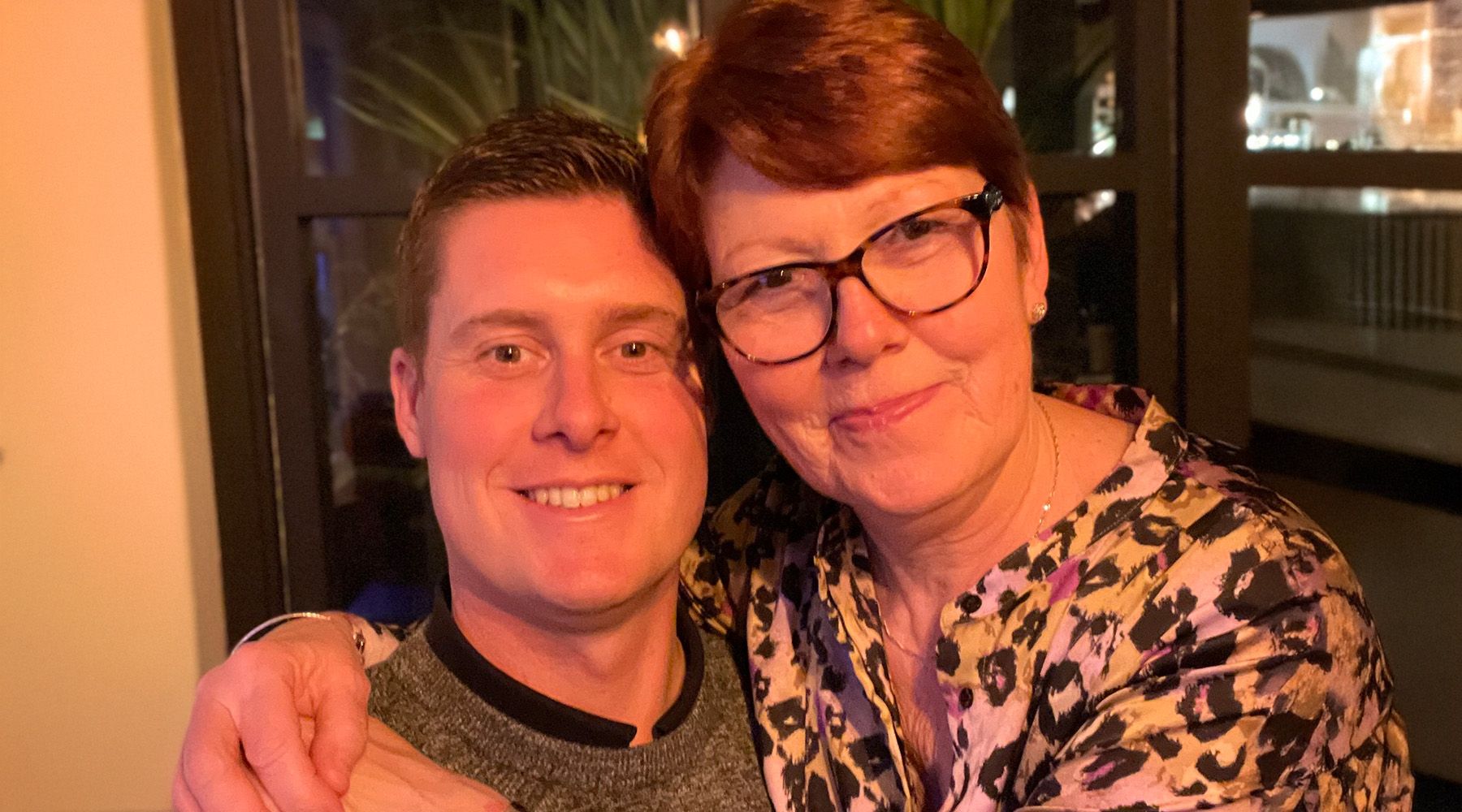
Kim’s mum, Doreen, was living with colon cancer. It was a diagnosis that came after multiple hospital visits and “too late to be able to do anything about it.”
“One evening, Mum began complaining of a terrible pain in her side. She started being quite violently sick, so I decided to take her to the emergency department. We were there all night, sitting on hard seats with mummy being sick in a bag. Eventually, it turned out her bowel had ruptured and she needed to have an operation to put a stoma in. We were told this was a temporary measure, to help the bowel settle.”
“She was in and out of hospital”
“She had the operation and was discharged home, but before long she started having abscesses and was in and out of hospital for a period of about five months, having further tests and being given various antibiotics. At the same time, my dad had been undergoing chemotherapy for oesophageal cancer, so it was a lot for all of us to process.
“Mum had been told all along that it was definitely not cancer. But by the end of the month, it was determined to be cancer. And it was too late to do anything about it. Mum was told her condition was inoperable and that she should ‘make the most of things for as long as you're able’. The shock was just indescribable. They said to me, ‘Whatever care team is looking after your dad is looking after your mum’. I asked, ‘What care team?’
“I spent the next two weeks on the phone trying to find out who the care team were, being passed from pillar to post. I became increasingly frustrated calling around and getting nowhere.”
“We went to ED with a letter but still had to wait”
“At one point, as Mum’s condition worsened, she needed an urgent blood transfusion. Because it was the weekend, they couldn’t arrange for that to be done in the hospice, so she had to go to ED. We went there with a letter to go straight through but even with that we had to wait to get into a side bay. A lovely nurse who was very understanding came and spoke to Mum. But then the shifts changed and we didn’t see him again.”
“As it was the weekend, ED was extremely busy. There were people screaming and fighting, hitting on the windows, and it was a very scary experience.”
What Kim and Doreen experienced isn’t unusual. As shown in new research, carried out by Queen’s University Belfast (QUB) and the Northern Ireland Ambulance Service (NIAS), 8 in 10 people in Northern Ireland had at least one ED attendance in the last year of life. Most people arrived at the ED by ambulance, with the vast majority of these attendances leading to hospital admission.
“We were having to call an ambulance once a week”
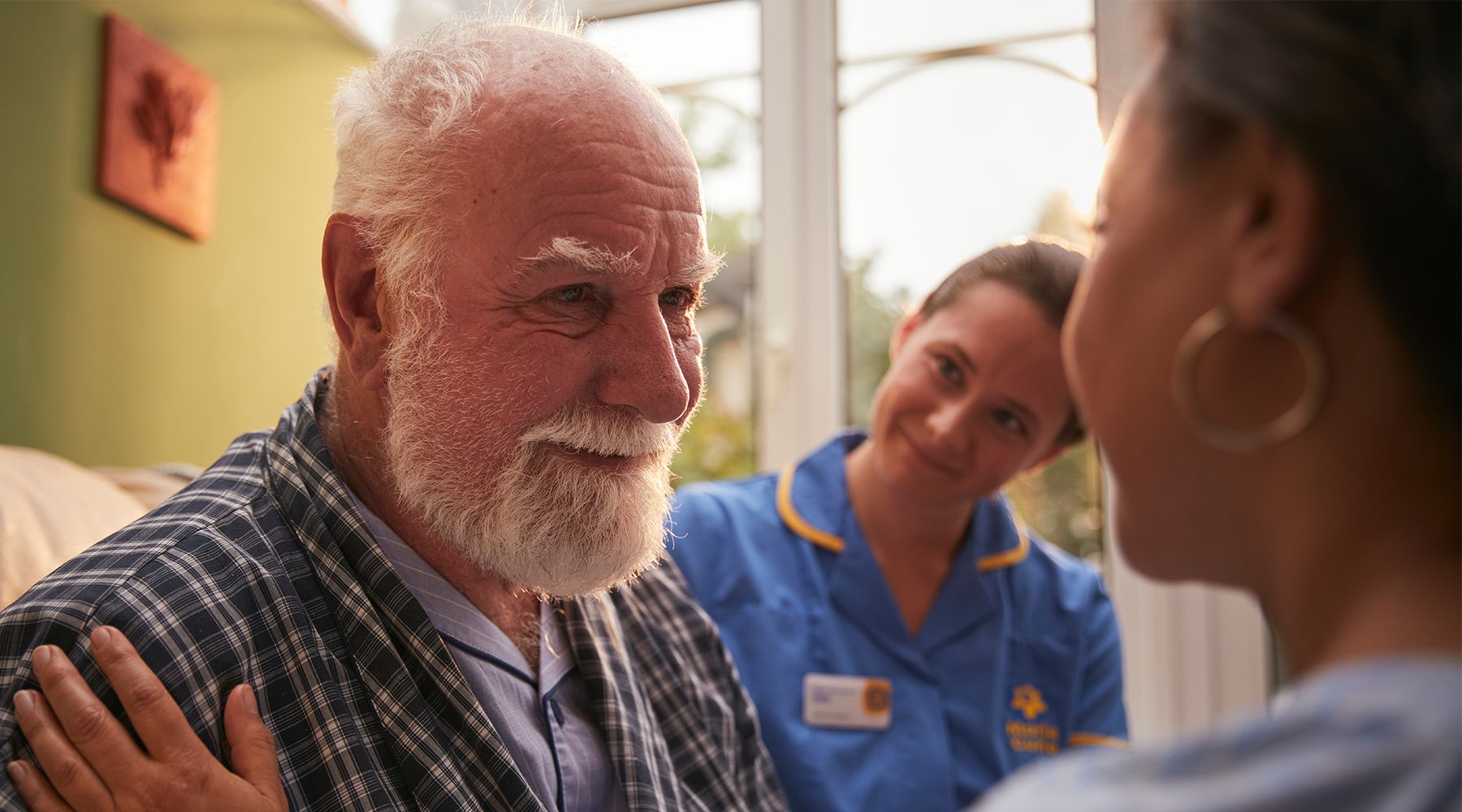
Stanley, Tasha’s dad, had started to deteriorate due to hepatic encephalopathy (HE): a decline in brain function following serious complications from liver cancer.
“Dad had been having treatment which was quite invasive, so the doctors switched to chemo and immunotherapy. That was when he started having a very bad reaction.”
“He had spells of serious confusion and even total blackout," says Tasha. "The first time it happened, I was worried he might be having a stroke. But then it started to happen quite regularly, and we’d frequently have to call for an ambulance. It got to the stage where we were having to call for an ambulance nearly once a week.”
“We had to constantly repeat ourselves”
“The ambulance service themselves were fantastic. They were calming and reassuring. But it seemed that we constantly had to repeat his diagnosis, treatment and what had been happening. No one seemed to have access to his records, and their awareness of the situation was limited.”
“When we’d get to ED, there were always a lot of conflicting answers about what his condition could be. One doctor would say it’s as a result of the chemo or immunotherapy, but when they would contact Belfast where his cancer treatment was being carried out, they’d say it’s not a side effect of his treatment. Then there’d be shift change, and you’d be no further on.”
“The staff would walk away”
“On the occasions Dad was admitted, he’d get food put in front of him and the staff would walk away. If he was having an ‘episode’ he didn’t know how to use a knife and fork. He didn’t even know his own name. It was highly distressing and he just wasn’t getting the right level of care.”
“Close to Christmas 2025 his condition deteriorated further. He was admitted to hospital again, only this time he never got out. We tried to get a care package for him, but there wasn’t anything available in the community.”
Paramedics’ lack of access to records, as Tasha and Stanley experienced, is common. A survey of NIAS paramedics led by Ulster University (UU) found that that nearly 60% rarely or never knew they were attending an end of life call, with only 34% saying they had encountered an advanced care planning document.
Emergency hospital admission in the last year of life is too common
People approaching the end of life often rely on emergency services – not because they’re the right fit, but because there’s no real alternative.
Our new policy brief summarises the two new research reports, funded by Marie Curie and conducted by QUB, NIAS and UU. It shows that people across Northern Ireland face the same challenges Tasha and Kim faced trying to get the right care for their dad and mum, respectively. Findings include:
- 2 in 3 people who attend the emergency department in their last year of life arrive by ambulance.
- Almost 68% of emergency department attendances lead to emergency admission, with most of these resulting in hospital stays averaging two weeks.
- 58% of paramedics say they rarely or never know they are attending an end of life call in advance.
- 54% of paramedics ‘always’ or ‘often’ have no access to specific medicines needed.
- Nearly 60% of emergency department attendances happen out of hours.
Policy change could change end of life experiences
While the system is falling short, our research also suggests where changes could help people get the right care, in the right place, at the right time. This includes investment in community-based palliative and end of life care services; improved coordination across all parts of the health and social care system; and better support and training for frontline staff.
End of life care shouldn’t be emergency care. But for too many people today, it is.
Read the full policy briefing and research on our dedicated webpage: