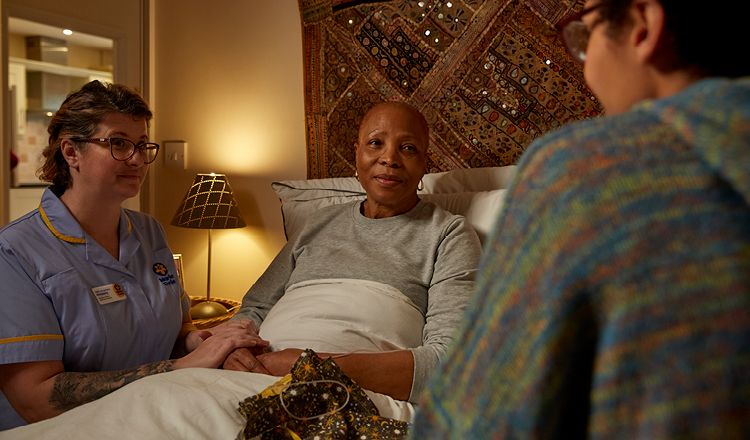
Ahead of this year’s Senedd election, we asked the major parties how they would fix end of life care in Wales.
End of life care in Wales is at breaking point. A system under strain and gaps in provision mean too many people aren't getting the care and support they need. The next Welsh Government must act to make sure people get the right care, in the right place and at the right time.
We asked the major parties in Wales three questions about palliative and end of life care, including support for unpaid carers, to see how they would fix end of life care.
Below are the responses we’ve received so far. Others will be added as we get them.
Want this page in Welsh?
What do the parties see as the biggest challenges facing palliative and end of life care?
Plaid Cymru
A spokesperson for Plaid Cymru highlighted funding stability, specifically the reliance on charitable income and lack of long-term certainty as key challenges, alongside higher demand due to an aging population, and challenges in recruitment and retention, overhead cost pressures, high inflation and increases to National Insurance Contributions.
Reform UK
James Evans, Health and Social Care Spokesperson for Reform UK argued that workforce shortages and uneven access to palliative services across Wales were the biggest challenges. He also named as challenges: inefficiency, excessive bureaucracy and a failure to prioritise community-based and hospice care, combined with a mismatch between rising demand and the system’s capacity to deliver.
Welsh Conservatives
A spokesperson for the Welsh Conservatives identified a lack of sustainable funding as the primary challenge, arguing that progress towards a new commissioning approach has been too slow.
Wales Green Party
From the Wales Green Party, Health and Social Care Spokesperson Ian Chandler argued that palliative and end of life care was under pressure due to the condition of the wider health and social care system, citing overcrowded hospitals, delays in care and the erosion of community- and home-based services affecting people’s end of life experiences. He also highlighted people in deprived communities, disabled people and those with complex needs facing barriers to timely diagnosis, intervention and support.
Welsh Labour
A spokesperson for Welsh Labour said that they recognised palliative and end of life care was under pressure and that they have worked closely with the sector to understand the pressures they face.
They explained that over the last Senedd term the Welsh Labour Government had undertaken work with the sector on strategic coordination, enhanced funding, workforce development and service delivery guidance, alongside over £25 million in hospices. They also commit to a fair funding model for palliative and end of life care.
How would the parties ensure people get the right care, in the right place, at the right time?
Plaid Cymru
Plaid Cymru stated that working with health boards, care providers and other stakeholders to develop a sustainable funding model was key. The party would direct health boards to assess palliative and end of life care needs to inform service planning and delivery, publishing local delivery plans. They would ensure that every Regional Partnership Board (RPB) had a palliative and end of life care lead and develop an NHS workforce plan for present and future demand.
Reform UK
To improve prospects for patients, Reform UK would create a 10-year cancer survival strategy, invest in modern diagnostic technologies and treatments, using targeted mobile screening in communities most in need. They would strip back unnecessary and unaccountable bureaucratic systems throughout the health service to unlock funding for frontline services.
Welsh Conservatives
The Welsh Conservatives’ priority would be to declare a health emergency to dedicate the Government to improving patient outcomes. They argued for recruiting, training and retaining more healthcare professionals to cut agency costs and improve appointment access. Additionally, they would refund tuition fees of doctors, dentists and nurses who work in the NHS in Wales for five years after qualifying, commit to clearing the NHS backlog and ensure everyone can get a GP appointment in seven days.
Wales Green Party
The Wales Green Party pledged to emphasise prevention, early intervention and person-centred care, while safeguarding funding for core Welsh hospice services. They would commit to ensuring people receive support earlier and closer to home by growing community nursing, reablement, social care capacity and multidisciplinary teams. Plus, they would implement urgent measures to relieve overcrowding and reduce delays, publish corridor data, boost weekend senior decision-making, expand same-day emergency care and declare care in a chair for over 24 hours a ‘Never Event’.
Welsh Labour
Welsh Labour explained that person-centred care was at the heart of their vision for palliative and end of life care. They would develop a long-term plan to drive improvement and ensure high-quality services were available to all, while committing to fair funding for hospices.
What would the parties do to support unpaid carers?
Plaid Cymru
To support unpaid carers, Plaid Cymru pledged to review and standardise assessment criteria with local authorities to ensure more Carer’s Needs Assessments are completed in 28 days. They would protect the Short Breaks Scheme, develop training tailored for people caring for someone at the end of life, and ensure they have access to palliative and end of life care and support 24/7.
Reform UK
Reform UK vowed to implement a comprehensive workforce review across NHS Wales to identify gaps and set realistic solutions. They would prioritise integrating health and social care to provide step-down care quicker, focus funding on primary care and support and recognise carers’ work.
Welsh Conservatives
Emphasising local authorities’ duty to deliver statutory responsibility to unpaid carers, including access to respite, the Welsh Conservatives would provide better support and leadership to ensure these duties are met. They pledged to introduce a right to respite and provide free access to support and training. Their Young Carers Card scheme would provide free bus travel and access to education, training and employment opportunities for young carers, while extending free bus travel to carers over 60.
Wales Green Party
By properly funding social care, expanding community provision and improving early intervention, the burden on unpaid carers would reduce, argued the Wales Green Party. By shifting to neighbourhood teams, social prescribing early health and local wellbeing hubs would, carers would benefit through more support and a reduction in crisis situations. They also committed to recognising unpaid carers in national statistics and economic planning.
Welsh Labour
Welsh Labour explained that they had funded 50,000 short breaks for unpaid carers over the last Senedd term and supported 11,600 carers through the Carers Support Fund, the latter of which increases access to cost of living advice and support and offers direct financial assistance to carers in need. The party said that they had sought people’s views on the new Draft National Strategy for Unpaid Carers, a strategy based on what unpaid carers had explained matters most to them. They also pledged to increase support for unpaid carers, including those caring for people at the end of life.
It’s time to transform end of life care in Wales
Today, too many people living with a terminal illness, and those close to them spend their last days isolated, in pain and struggling to make ends meet. And demand is only growing. By the 2040s, 37,000 people in Wales will likely need palliative and end of life care each year – an increase of almost 16% from today.
Palliative and end of life care is a critical part of our health and social care system. When we get it right, it can have a profound impact on people living with a terminal illness, and those close to them. That’s why the next Welsh Government must act.

Read the full manifestos of Wales’ major political parties here: Plaid Cymru, Wales Green Party, Welsh Conservatives, Welsh Labour, Reform UK, Welsh Liberal Democrats
If you need support with bereavement or grief, call the Marie Curie Support Line on 0800 090 2309 or visit mariecurie.org.uk/support