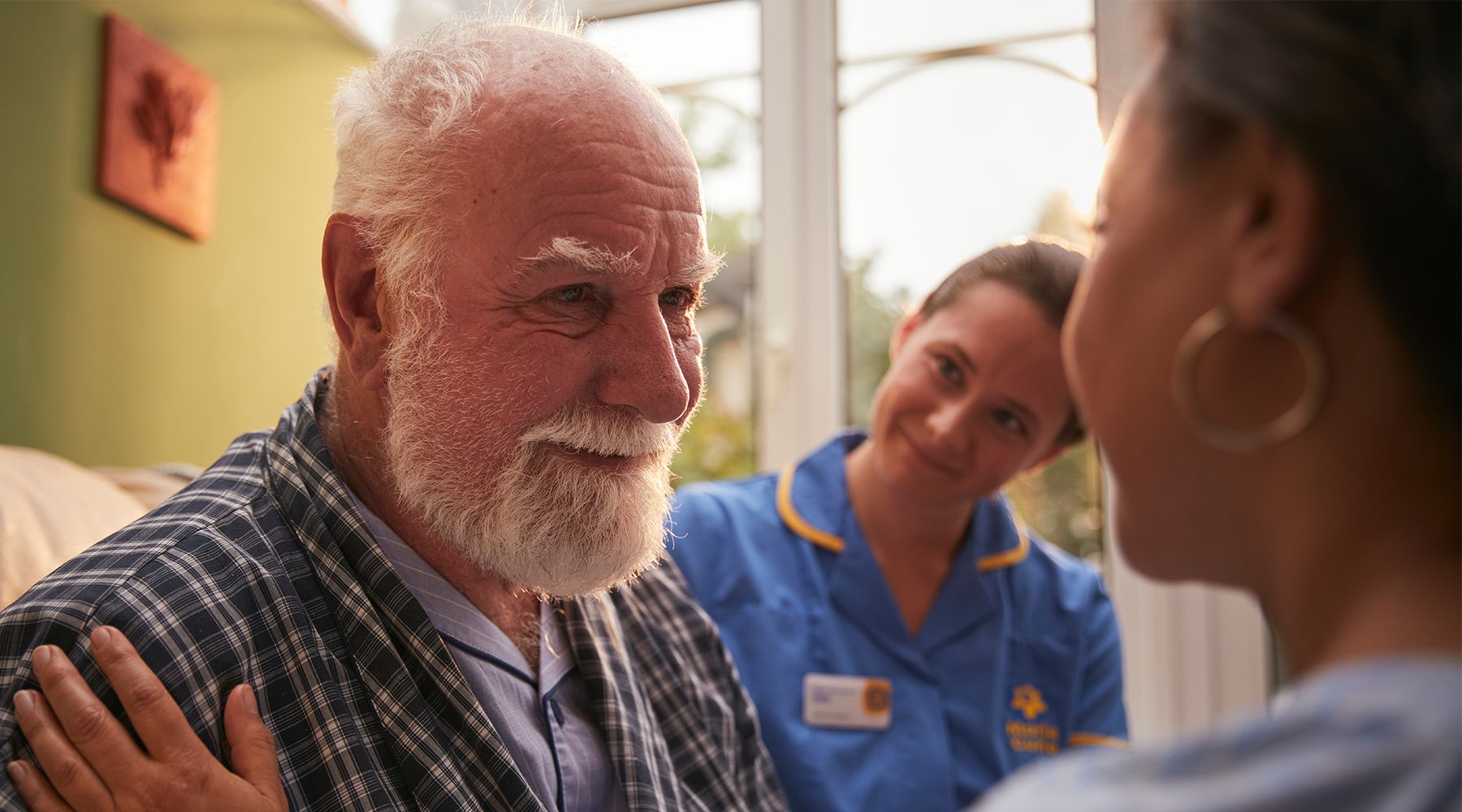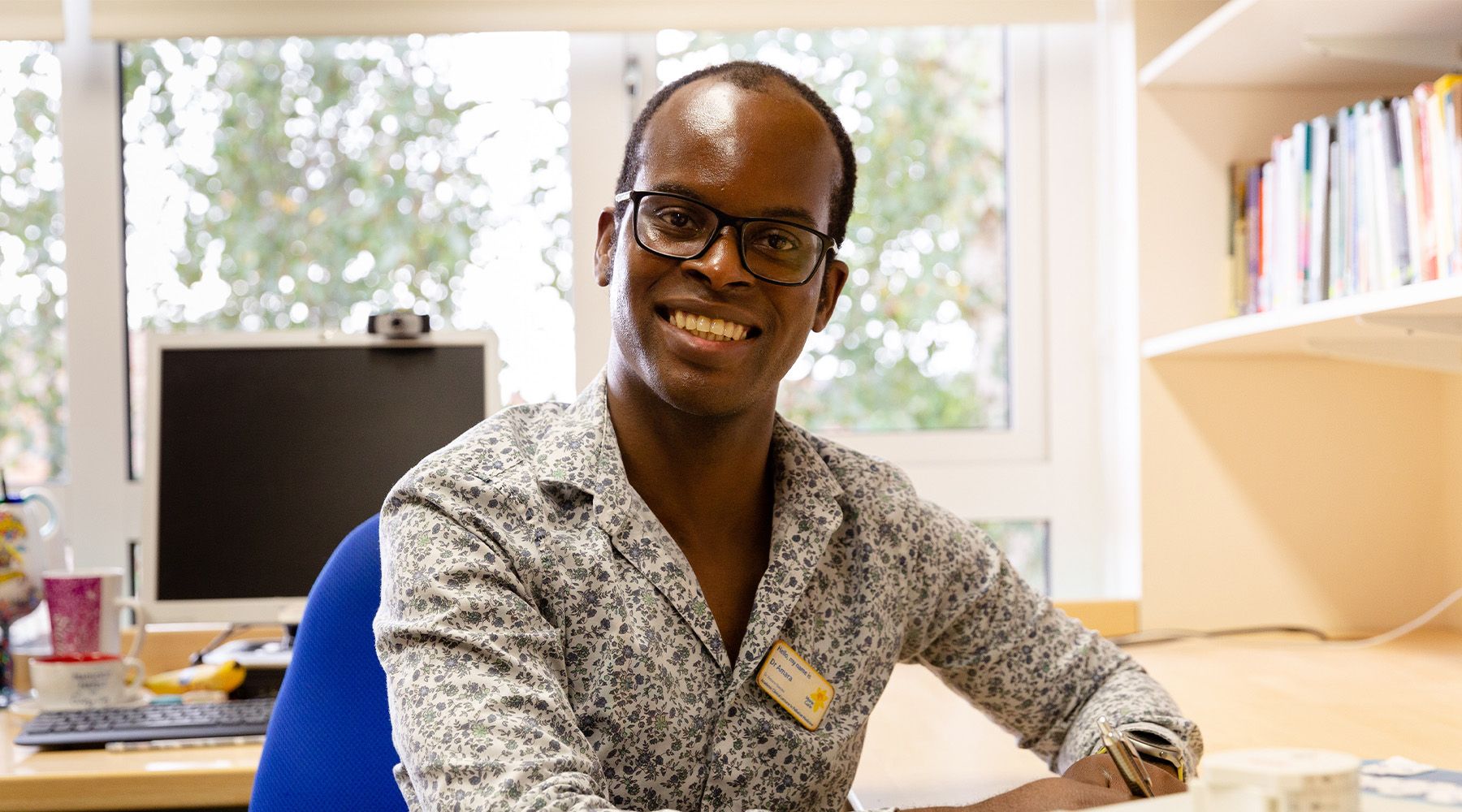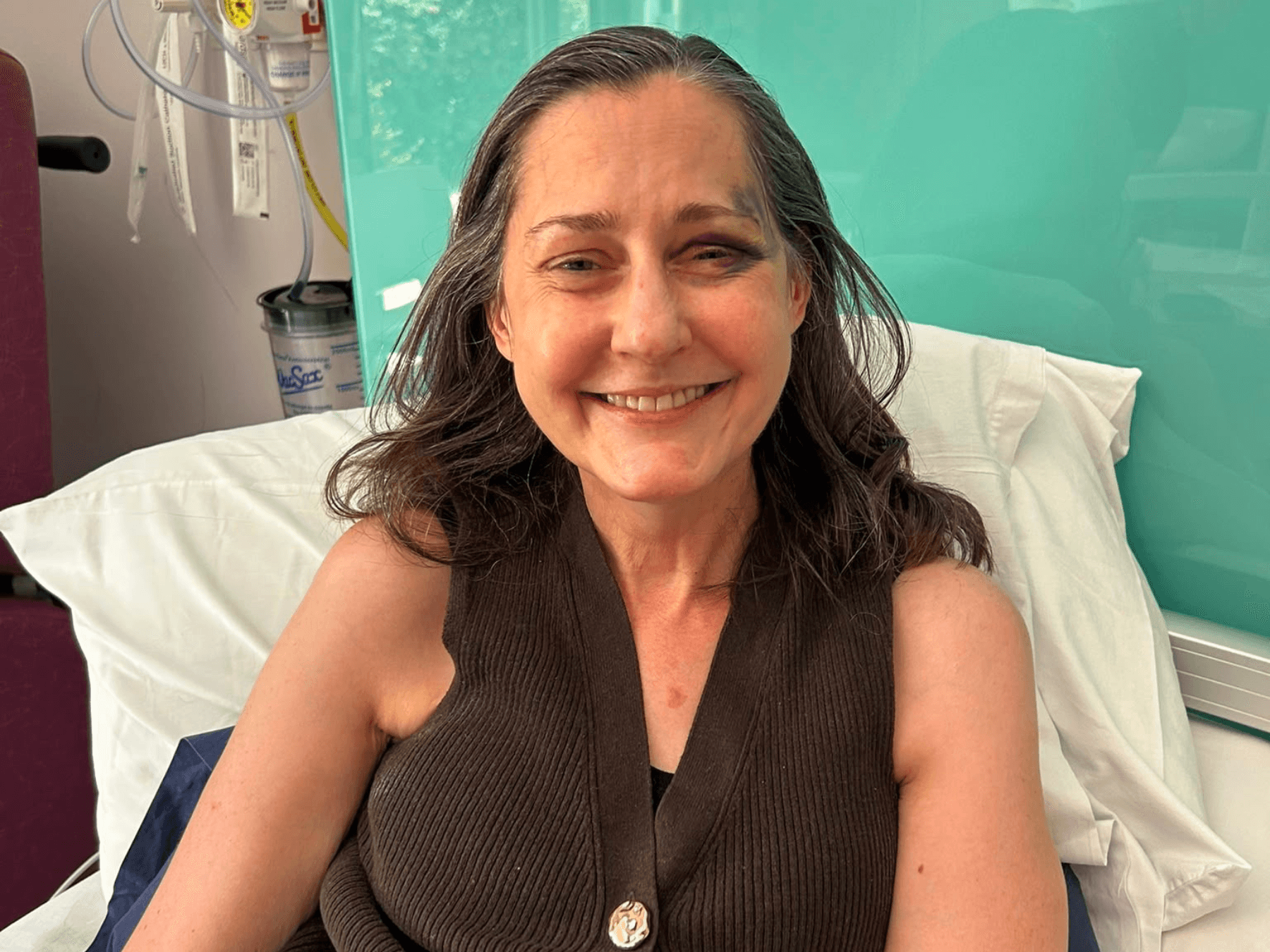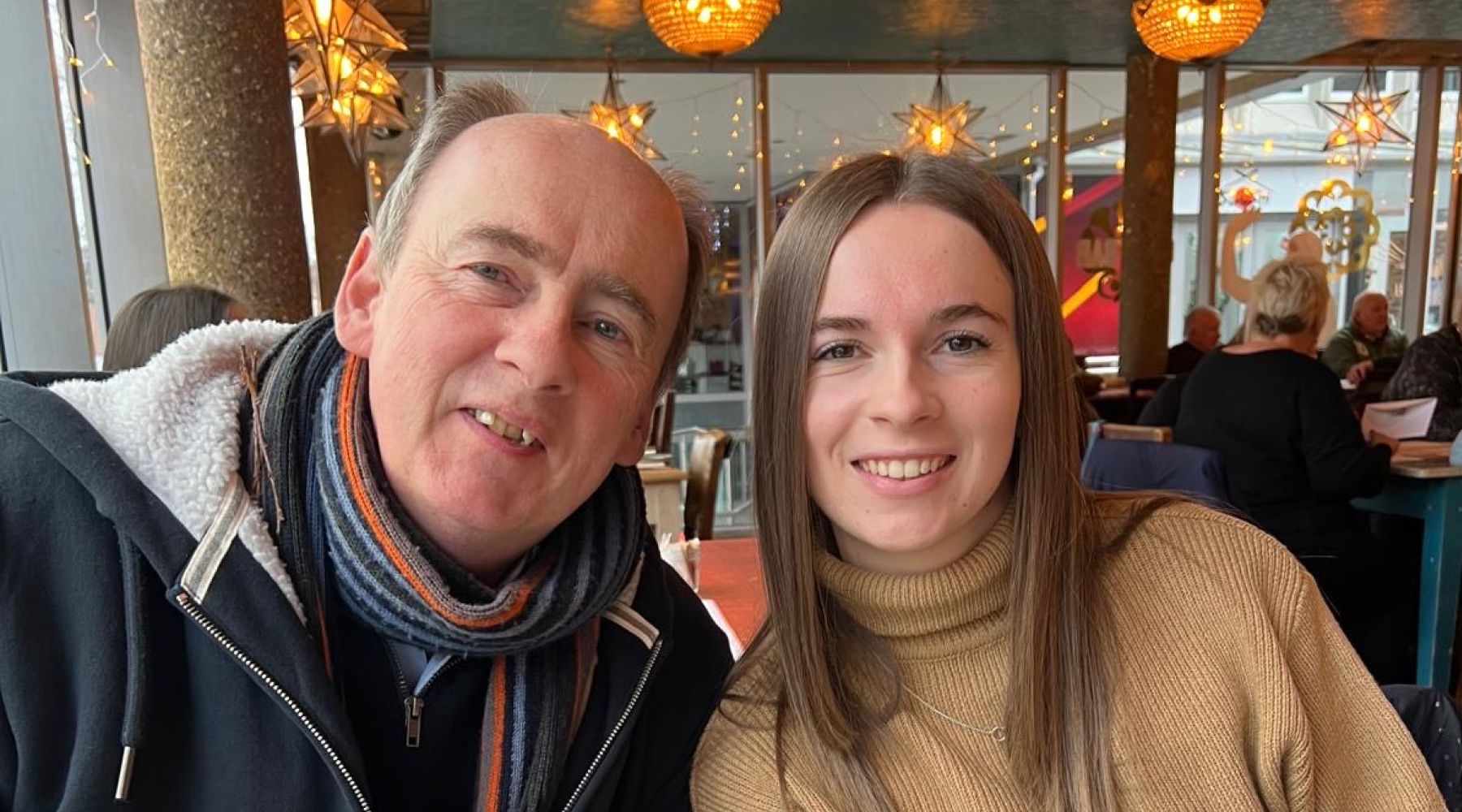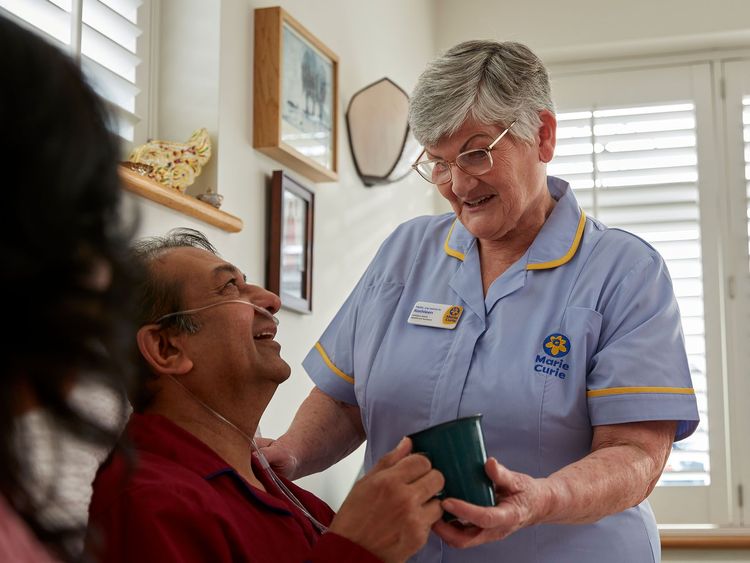
Amy Moore and Lynsey Shepherd are Marie Curie Nurses working in the hospice care at home service across Lothian, Edinburgh. We spoke with them in March 2025 about the care they give, why the team works well together and the benefits of caring for someone in their own home.
Q. You’re Marie Curie Nurses working in the community. What’s your job actually like day to day?
Amy: It’s essentially taking the care of the patient at home. People want to stay at home for as long as they can. We go in every day and offer support with complex symptom management. And we support families who can be quite distressed dealing with people’s illnesses at home.
Whereas the nurse specialist team maybe sees someone once a week or every couple of weeks to just check in, and they can make changes but it doesn’t happen on that day, we go in and make the changes on that day and can visit the next day to see how they’re doing. And if they need more changes made, it’s a quicker service.
Lynsey: We’re on call now. We will be for the rest of the day. From this point onwards, there’s a duty phone if they call the number, if they want to speak to us or they want us to come back out. It just depends on the patient, how often they need you.
Amy: We can visit patients multiple times in a day. They can phone us. We’re on until nine o’clock tonight so they could phone us at seven and we could be back out to see someone if they needed.
Q. The people you care for, who are they? What kinds of situations are they in?
Amy: It’s 50-50 between people who want to stay at home and people who can’t come into the hospice. Other people change their mind once they realise things can be managed at home and they’d like to stay at home.
Lynsey: I think there’s definitely that third group of people who thought they couldn’t be at home but then within 24 to 48 hours of us being in, have said, ’Okay, we can be here. The crisis is over.’ Which is always quite satisfying.
Q. How do you work with the rest of your team?
Lynsey: We all have different skill sets and a different lens of experience. Somebody came from district nursing, somebody came from another form of palliative care. We have some things where I’m like, ‘Oh Amy will know how to do that,’ or, ‘Yep, I’m good with that.’
Amy: It’s nice to see it all come together and see the difference we’re making. Because I think we are definitely doing a good job. The feedback we’ve had has been really nice, so it’s been rewarding. It’s nice to see patients on day one with us then improving everyday as you go on.
Lynsey: In my last workplace, I’d have 12 patients a day in a 12 hour shift. Whereas now we can spend easily two and a half hours on one visit with a patient in one day, if they need that time. It’s such a privilege to be able to do that.
Q. Do you find there are benefits to caring for people in their own home?
Amy: Some people phone at night just to talk about things from the visit or just to talk through it again. And it’s good they’ve got that number.
Lynsey: A family last week said something quite nice to me actually. There was a weekend when I ended up at their house for a total of about five hours, which is quite a long time for them. I apologised and she said, ‘No, for that day you were part of the family. We were just sitting, chatting whilst you were working.’
I think what’s different from being in the inpatient unit is that you’re in their environment. You’re floating into their life rather than them coming into yours. Which means you quite often get a good relationship with them very quickly because you can see photographs on the walls, you can see their style and what they’re into so it’s quite person-centred chat. And we stay as long as the person wants us to.
Amy: You meet their pets. They get to know you as well. They’ll ask you questions: ‘How was the cinema last night?’ They get to know you like one of your pals.
If you or someone you’re close to is living with a terminal illness, Marie Curie offers hospice care at home. Call our free Support Line on 0800 090 2309 for read about our hospice care at home service.
All rights reserved stories@mariecurie.org.uk