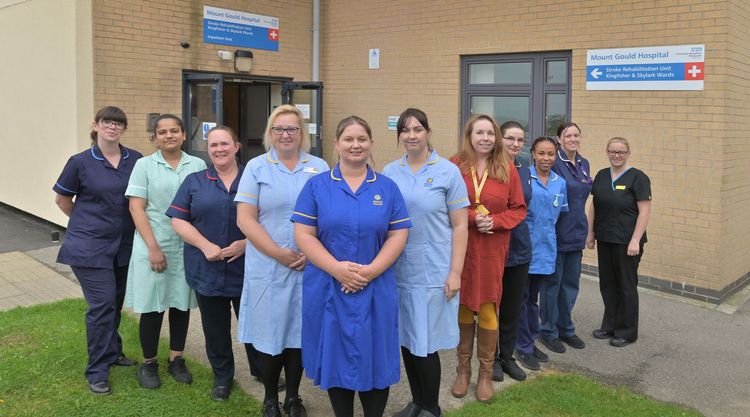
A pioneering initiative in Plymouth is responding to the changing needs in local end of life care, as Marie Curie Nurses Emma Rogers and Susanna Lovell explain in conversation with Karen Burfitt, Associate Director for Caring Services, South West.
To close the gap in end of life care, Marie Curie’s looking at where people need it the most and setting up services to meet their needs. Like the partnership between Marie Curie and University Hospitals Plymouth (UHP), Karen describes.
“We know that most people, given the chance, would like to die at home. The reality is many people end up in hospital. We partnered with University Hospitals Plymouth (UHP), whose main site is a 1,000-bed acute hospital, Derriford.
In 2024, Marie Curie started a three-year partnership in Plymouth to explore new ways to meet local needs.
At the start of the project, over 1,900 people each year were dying in the hospital – 56% of all deaths in the area. And only 16% of people got to die at home. When we started working with UHP, their emergency department was also one of the most challenged in the country.
The hospital trust recognised that people and their loved ones’ end of life experiences needed improving.”
Getting dying people what they need, where they need it
“The first is in Derriford’s emergency department. We have a Healthcare Assistant every day in the emergency department working alongside UHP End of life care nurses.
The second element is our proactive identification, care and transfer team (PICT). This team of Marie Curie Nurses identify people in hospital as they approach the end of their life, have important conversations about what matters to them and, if possible, support their transfer to the right services or back home.
The third element is our care team at Mount Gould, a community hospital a mile away, with 12 dedicated end of life care beds. Marie Curie Registered Nurses and Healthcare Assistants work alongside the hospital staff, providing hands on care and emotional support to people in their last days of life.
The fourth element is our amazing companions, providing companionship, practical support and advice.”
Karen:
“Let me introduce two members of that amazing team in Plymouth, Emma Rogers and Susannah Lovell. Emma, what’s Derriford like?"
Emma Rogers, Marie Curie Senior Registered Nurse
“Derriford hospital is quite daunting and very busy."
Meeting people's individual needs
"My role is to collaborate with the existing specialist palliative care team and other teams within the hospital to ensure patients and their families are given the opportunity to have the all-important conversations about “what matters most to them”.
Essentially, we're identifying them for onward care and determining what that would look like. We talk to patients and families to give them options for “where next”. Our goal is to move patients to their preferred place of care, usually home but there are also 12 dedicated beds for patients nearing the end of their lives at Mount Gould (a local community hospital) too. Marie Curie work alongside Mount Gould staff to provide expert care and support."
“If a patient wants a wash at 4am, they can have a wash at 4am. There isn't a set routine.”
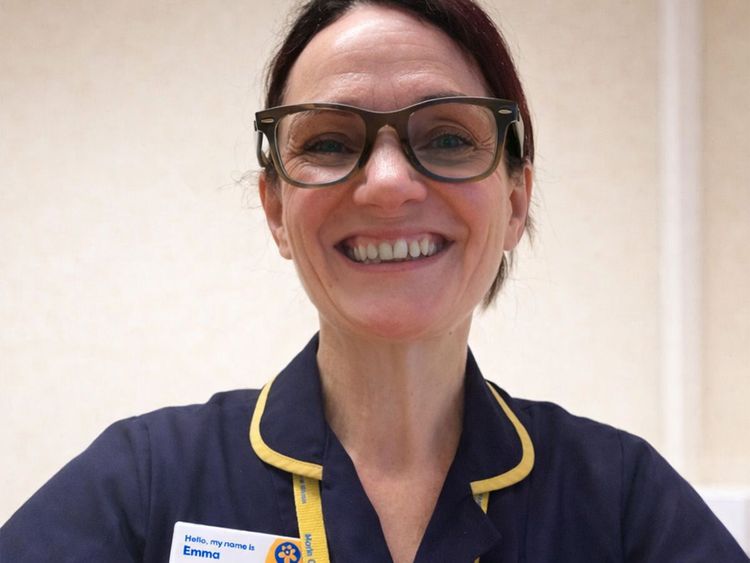
Emma Rogers, Marie Curie Senior Registered Nurse, Mount Gould
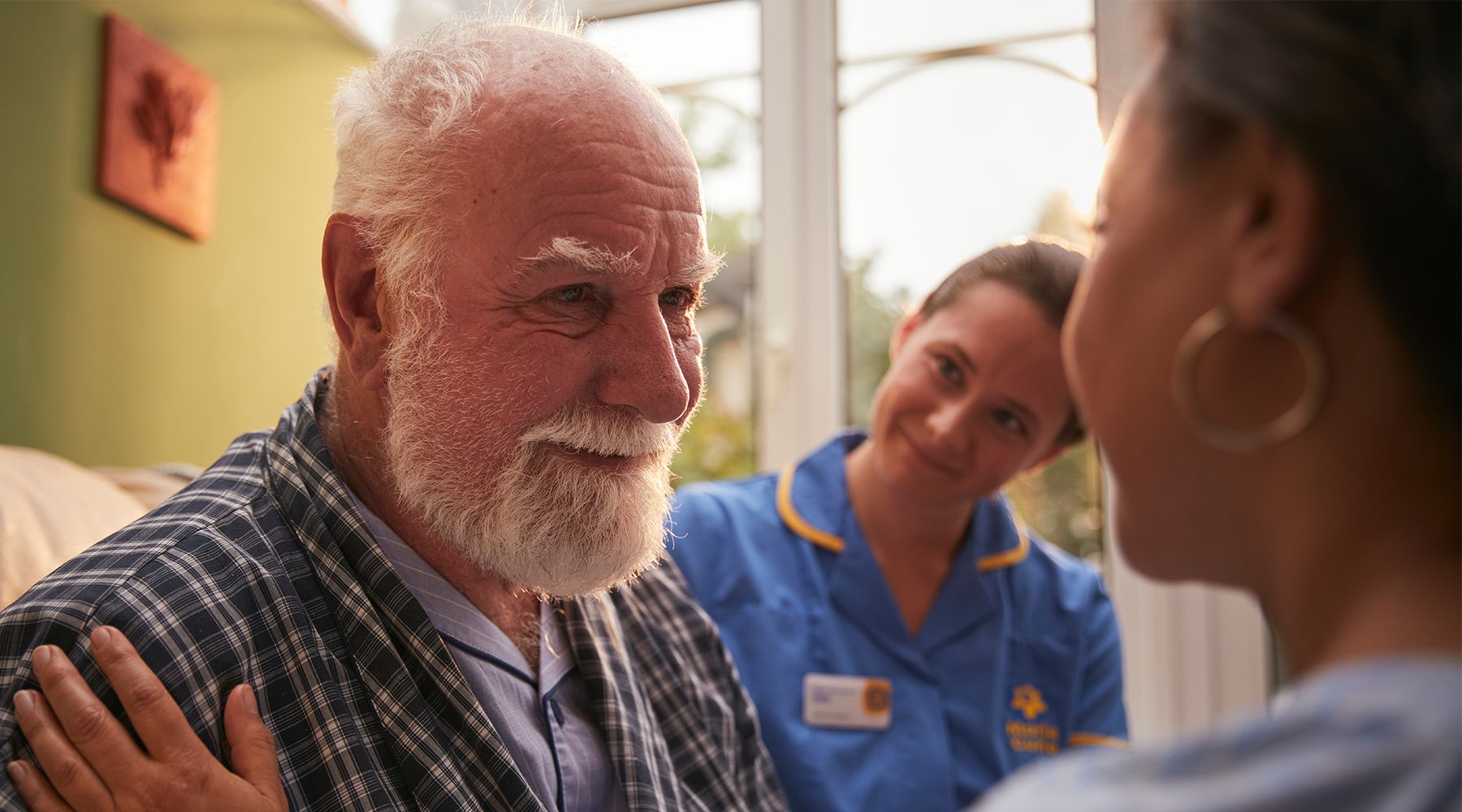
"Mount Gould is calm, it's quiet. The number of times relatives and patients come over and say, ‘oh, I can take a breath’. We really try and slow everything down.
We have plenty of time and if it means we pull up a chair alongside them and talk to try to allay fears, then that's what we do.
We look at patients holistically. Every single part of them is important, every single relative is important. "
“We can give them that time, individualised care that they maybe don't get in a big hospital.”
Susanna Lovell, Marie Curie Registered Nurse:
“For lot of patients at Mount Gould being looked after at home is simply not an option.
Patients who come into the emergency department [at Derriford] aren’t necessarily expecting to die – but they're often deteriorating very quickly. They desperately need end of life care. For example, somebody comes in following a large irreversible stroke, and maybe 24 hours previously they were independent in their lives and now they're very much dying. Those people need a place to go.”
Karen:
“Traditionally, a significant proportion of people accessing palliative and end of life care services have been people with a terminal cancer diagnosis and very few people with other illnesses or diseases have benefitted from the holistic approach that palliative care brings.
In the new Plymouth services, we support a much broader group of people and provide much needed care to people that need it, including people with dementia and respiratory failure.
We know families appreciate it. One relative shared this beautiful detail with us.
Emma:
“They're not just a bay number to us. They're a person who needs our support.”
I was asked to go and support a family of a patient on one of our very busy wards. She was in a very isolated bay and was unconscious.
I went and sat with her daughter, and we had a lovely chat. We have this thing, what I call ‘the luxury of time’. We can talk and find out about the person that's in front of us in the hospital bed."
Susanna:
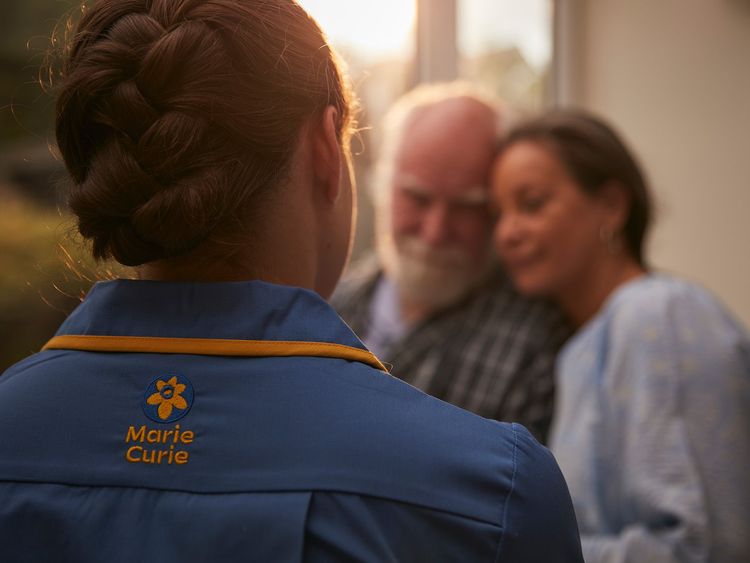
Last year a gentleman was transferred to Mount Gould who had been admitted into Derriford’s emergency department that morning with a worsening infection.
It was discussed with him and his wife that he was now nearing the very end of life stage of his life and going home wasn't an appropriate option. It was agreed he would come across to Mount Gould.
The couple were very private, and the lady had done a lot of her husband's care up until this point. In situations like this, introducing nurses to take on physical care needs to be handled sensitively.
A couple of hours later, he started to deteriorate quite significantly. Just two and a half hours after he came to us, the gentleman died.
“It was unbelievably poignant, but also beautiful in that I was able to spend hours talking to his wife.”
At the end of our time together, she gave me a hug and said, “Susanna, I never wanted to meet you in these circumstances. But I so wish that we'd been at Mount Gould for longer because what you've done this afternoon, I'm never, ever going to be able to say thank you enough.”

Looking ahead to the future
Karen:
“We set out on a three-year partnership in November 2024, aiming to reduce the number of days that people at end of life stay in that hospital. We anticipated supporting over 1,200 new patients a year and we are absolutely on track. Our work in Plymouth is also helping to design new services for the future.”
For more on this subject, read a recent blog from CEO Matthew Reed on why collaboration is at the heart of transforming end of life care.
Discover more about our partnership in Plymouth and see all our services in the South West.
If you’re living with terminal illness, or caring for someone who is, you can get free practical and emotional support from our Support Line on 0800 090 2309. Or find out about our services in your area.
All rights reserved. Contact stories@mariecurie.org.uk for more information.