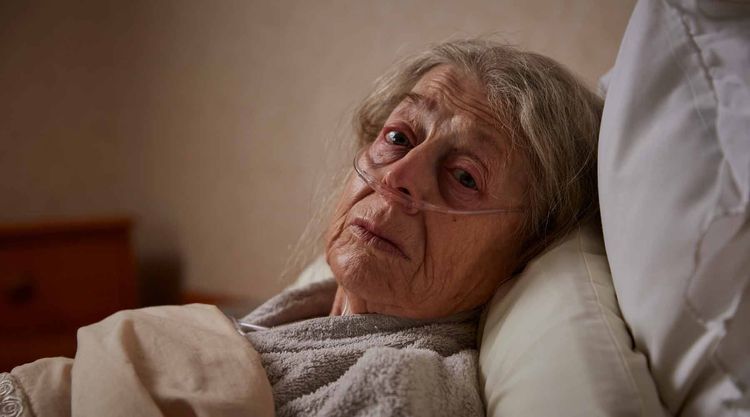
End of life care services in the UK are overstretched, underfunded and overlooked, and dying people are paying the price. Now, as demand surges and inequalities deepen, we’re calling for urgent change.
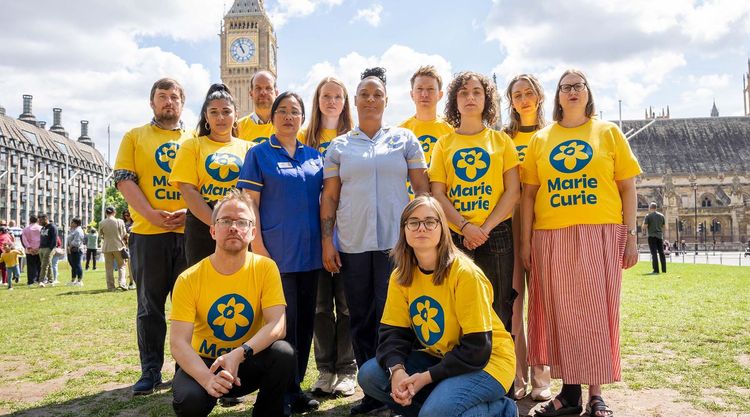
Join us to demand urgent action, so people get the right care, in the right place, every hour of every day.
Almost 1 in 3 people are dying without the care and support they need
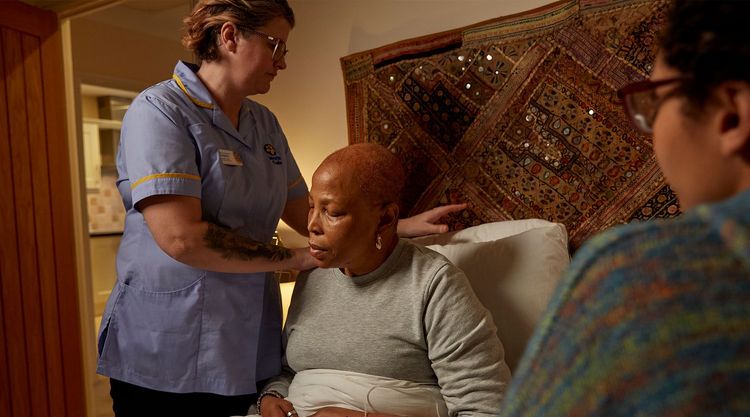
Our latest research reveals how our systems are failing people at their most vulnerable. Right now, too many people are dying alone and in avoidable pain. Instead of having joined-up palliative care at home, many terminally ill people spend their final weeks stuck in ambulances, hospital corridors and A&E.
Read our latest policy briefing on unmet need in the UK and Wales.
Good end of life care shouldn’t be a postcode lottery
Right now, too many people are dying alone and in avoidable pain. Instead of having joined-up palliative care at home, many terminally ill people spend their final weeks stuck in ambulances, hospital corridors and A&E.
The academic preprint for this Marie Curie-funded research project can be found here.
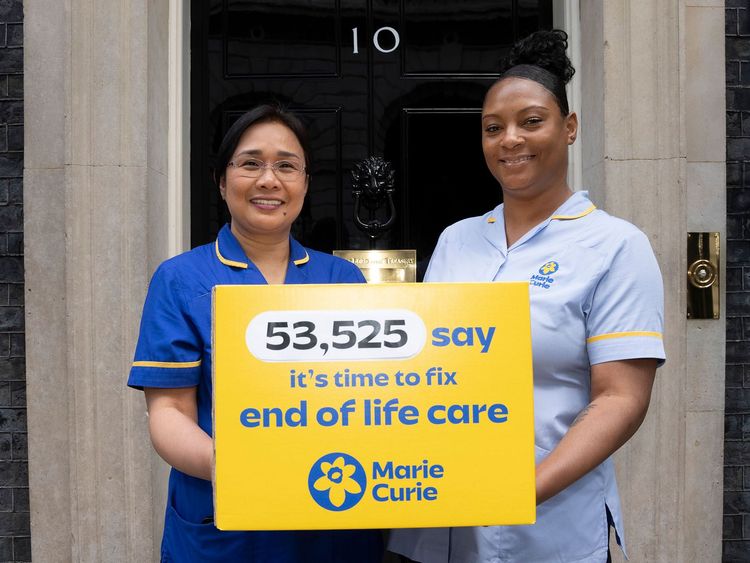
Now's our chance to fix end of life care
To fix end of life care so that it works for everyone across the UK, we’re asking leaders in England, Scotland, Wales and Northern Ireland to:
- Make end of life care a priority: put palliative and end of life care at the heart of health plans and act now to improve the support dying people receive.
- Deliver 24/7 support for everyone who needs it: ensure every community has round-the-clock advice and coordination, with access to essential medicines when they’re needed most.
- Back the people who care: Give those working to provide care at the end of life the training and recognition they deserve, so every person can receive compassionate, expert support wherever they are.
Investing in palliative and end of life care makes sense for everyone
Research shows we spend five times as much on supporting people in their final year of life as hospital in-patients than we do supporting them with primary care, community health and hospice care.
With better community services, dying people will be able to get the care and pain-relief they need, when they need it. And fewer people will have to rely on emergency services and hospitals, reducing pressure on the NHS. It’s a win-win.