One in five people die in a care home, making them a vital part of our palliative care system. Yet too often, the people who live, die and work there are forgotten.
Care home staff deliver an enormous amount of end of life care, often supporting people with complex needs, such as frailty or dementia. But they don't always receive the recognition, support or resources they deserve.
For more than 20 years, I've been driven by the belief that everyone should have access to the same standard of care at the end of life, regardless of where they live.
Early in my career, I worked on research looking at palliative care in care homes. What struck me back then was the inequity. It wasn't that care home staff weren't doing a good job, they were. But they often lacked access to the multidisciplinary support that exists in a hospice setting and were working in relative isolation.
Sadly, many of those challenges still exist today. Which is why I wanted our Marie Curie funded research project, Living and dying in a care home: The stories we can tell, to shine a light on the realities of life in care homes and show why good palliative care in these settings matters so much.
Seeing care homes through the eyes of residents, families and staff
The project, delivered in partnership with Edinburgh Napier University, used the photovoice research method, which invites people to take photographs that reflect their own experiences and perspectives.
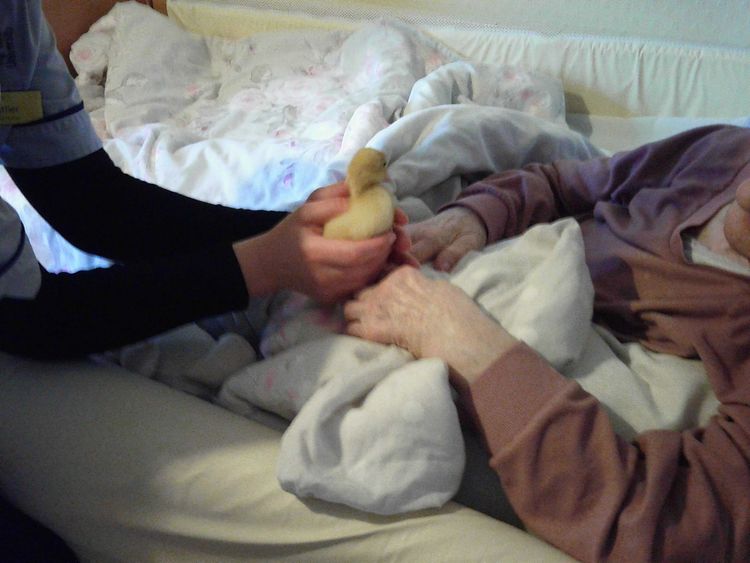
Residents, family members and staff from two care homes captured images representing what living well until the end of life meant to them. We then used those photographs as the starting point for conversations about life, loss, care and community.
The result was a powerful insight into everyday life in a care home, revealing experiences and relationships that are often invisible in wider discussions about health and social care.
What emerged were four key themes: the importance of relationship-centred care, comfort during grief and loss, recognising a person's past, present and future, and the value of personal space within a close-knit community.
More than a place to die
One of the things I love about visiting care homes is that they are places full of life. There may be singing in one room, an ice cream trolley making its rounds in another, visitors coming and going, conversations taking place. At the same time, people may be approaching the end of life.
That coexistence of living and dying is something we don't often talk about, but it's central to understanding care homes.
The research also highlighted the many losses people may experience before they die. Moving into a care home can mean leaving behind a family home, routines, pets, neighbours and friendships. People may lose independence and the ability to simply go outside whenever they choose.
Against that backdrop, small acts of kindness become hugely important. One family shared the story of a knitted doll that staff gave to a resident. They called it "wee Helen" after the resident's daughter, knowing it would offer comfort and reassurance when she became distressed and her daughter couldn't be there.
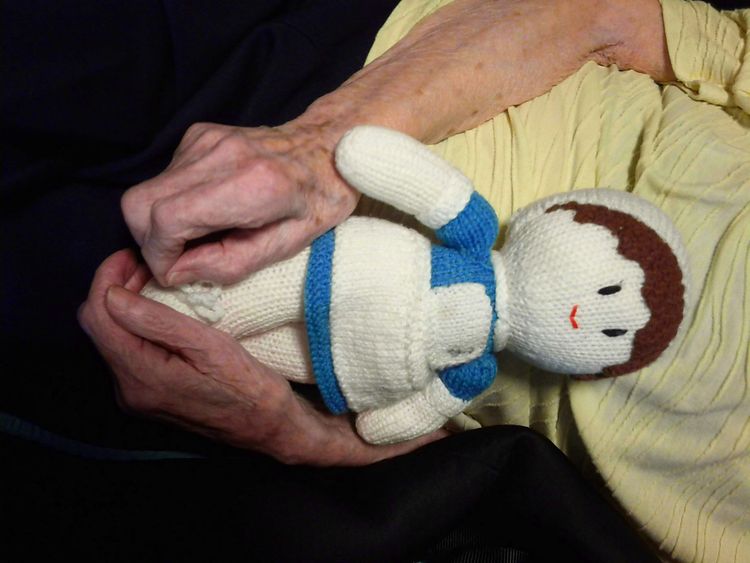
Wee Helen: an example of how care home staff found ways to offer residents comfort
What stood out to me about this example was the way it helped foster trust between the family and the care home. The family and staff knew the person well enough to work together in a way that brought comfort at a difficult time. Those moments tell us a great deal about what good care looks like.
Recognising the expertise of care home staff
Another clear message from the research was the expertise care home staff bring to supporting people at the end of life.
Many residents are living with frailty, multiple health conditions and dementia. Their decline is often gradual and unpredictable. Knowing when someone is approaching the end of life isn't always straightforward.
Care home staff are often best placed to notice subtle changes. They know residents' routines, personalities and preferences. They are frequently the people at the bedside, observing what is changing day by day.
But their knowledge isn't always recognised or sought when decisions are being made, or they may not have the confidence to speak up. And in fact, their insight can be invaluable in helping families and professionals understand what a person needs and in planning care that reflects their wishes.
A more proactive approach
Looking to the future, I'd like to see healthcare systems work more proactively with care homes to support people approaching the end of life. That means identifying needs earlier, planning ahead, accessing hospital care when needed but preventing unnecessary hospital admissions wherever possible. It also means recognising care homes as key partners in delivering high-quality palliative care. At Marie Curie, we are evolving our services in partnership with other providers of care.
There's growing evidence for approaches that can help, such as regular multidisciplinary 'needs rounds' that identify residents who may be nearing the end of life and ensure plans and support are in place.
We also need to better understand what a good death looks like in a care home and learn from care home staff about the challenges they face. Those insights are essential if we want to improve care.
Too often, care homes only attract attention when something goes wrong. Their contribution to end of life care remains undervalued, even though they are an essential part of the system. If we're serious about reducing inequalities in palliative care, that must change.
I hope this research helps policymakers, healthcare professionals and the public better understand the realities of living and dying in care homes, and the skilled, compassionate work that happens there every day.
Most importantly, I hope it helps ensure that care homes receive the recognition, support and investment they need to help more people live well until the end of life.