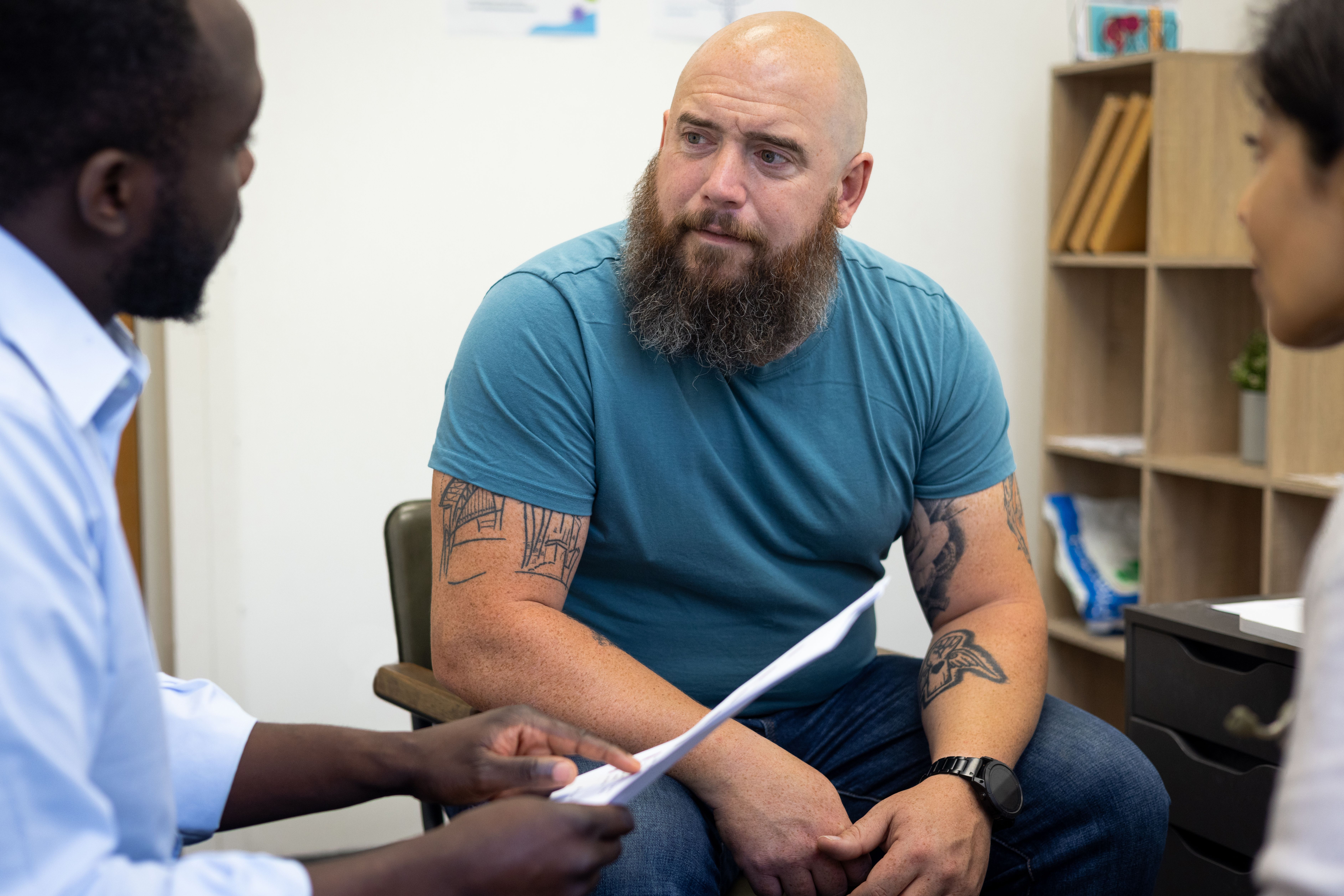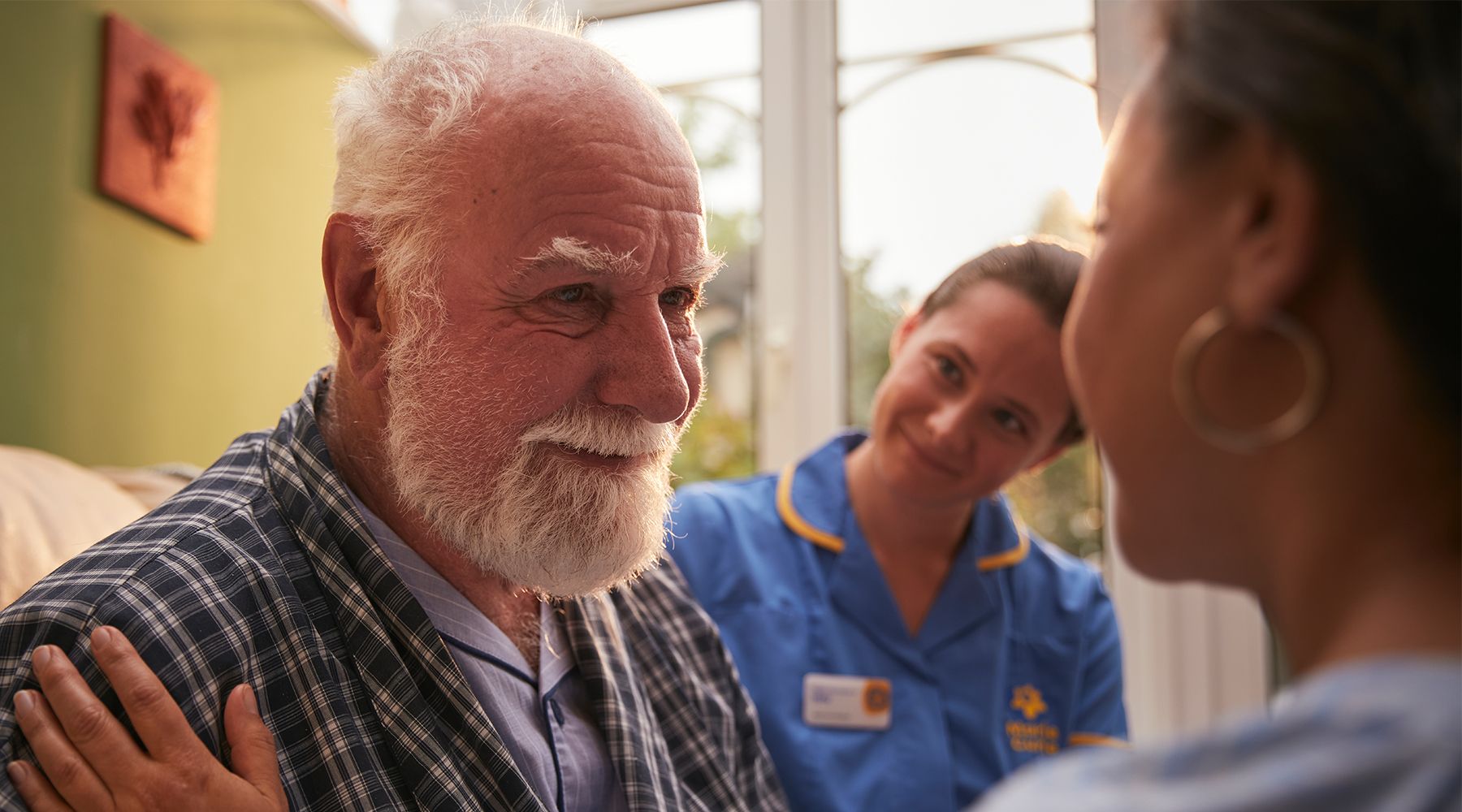
Over the years, I’ve had many conversations with people about how they want to spend the final days of their lives, and I’ve heard the same from our doctors and nurses. The details are different for everyone: family close by, favourite music playing, perhaps the dog on the bed. But no one has ever told me they want to die in hospital.
By the time you finish this article, more than one person in the UK is likely to have died without the care they need.
Almost 1 in 3 people miss out on the end of life care they deserve. That's around 200,000 people in the UK every year. Too many spend their final days in A&E, on a busy ward, or at home in pain that could have been prevented.
A problem with the system
The crisis in end of life care is often hidden behind closed doors, but its cause is not mysterious. This is not a failure of compassion. It is a failure of design. We have built a system that waits for dying to become an emergency instead of planning for it as an inevitable part of life.
As our population ages, the human and financial cost of waiting will become more visible – and the inequalities more entrenched. Already, people in the most deprived areas, and those dying from conditions other than cancer, are least likely to get the support they need.
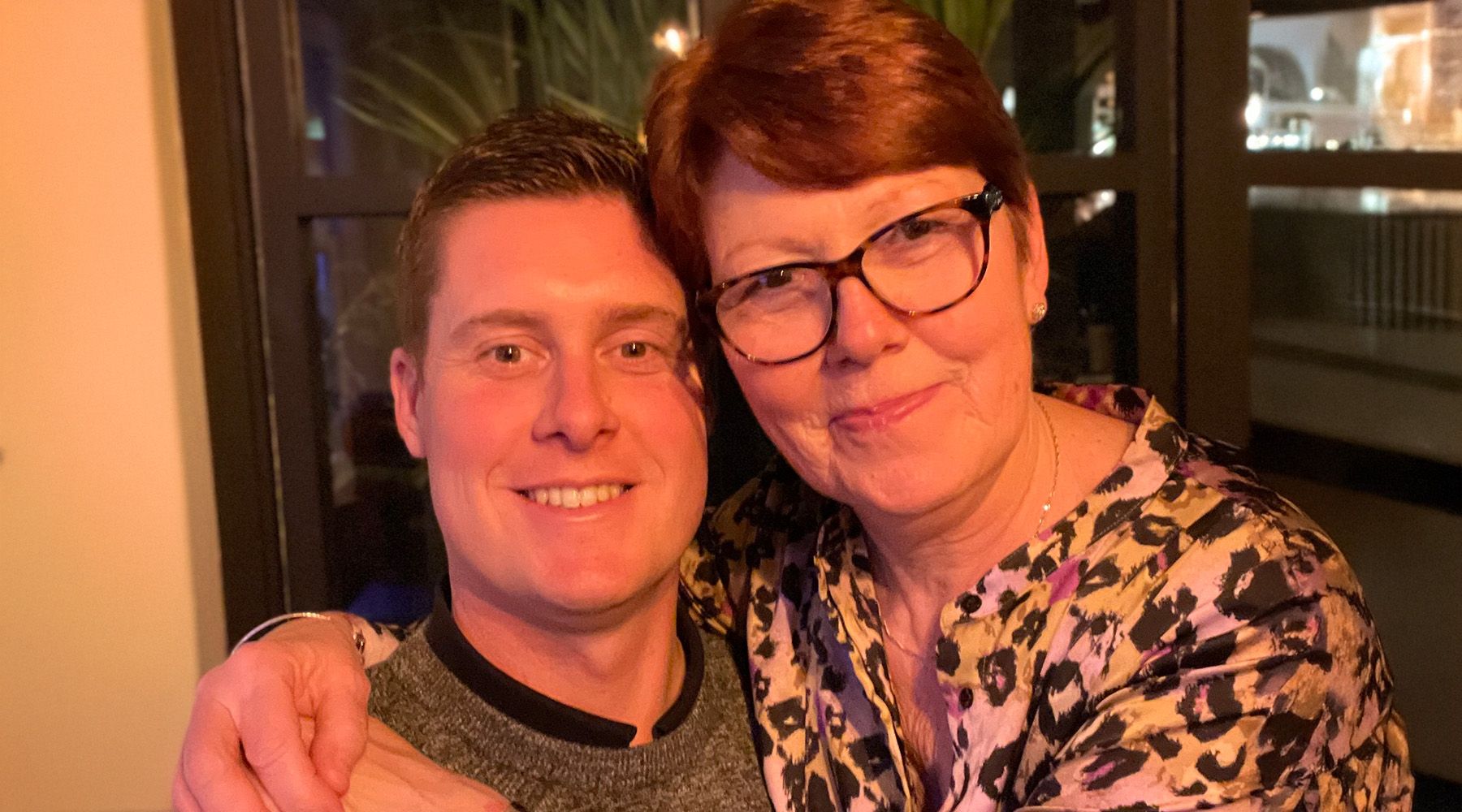
Behind those numbers are people like Sam, whose mum Sue was discharged home without the right pain medication when she was dying:
And people like Suzy, whose mum Val had to die in hospital when she didn’t want or need to be there:
These testimonies are deeply distressing
Neither family was failed by a lack of kindness; they were failed by a system that was not built around them. In December, the UK Government is due to publish England’s first strategy for palliative care in more than a decade – the Modern Service Framework for Palliative and End of Life Care (MSF).
It must do more than describe better care. It must create the conditions for it by treating palliative care as essential national infrastructure, with the funding, workforce and accountability to match. That means national standards, a long-term workforce plan, sustained funding and clear accountability for outcomes in every area. The same ambition is needed across all four nations.
We must identify need earlier
As the UK’s leading end of life charity, and the only organisation delivering end of life care across all four nations, Marie Curie has a clear responsibility to lead – through the care we provide, the evidence we generate and the change we press for. Our strategy commits us to reaching more than 100,000 people every year. That matters, but no charity can compensate for a system that intervenes too late. Our wider responsibility is to help reshape that system through better services, innovation and determined advocacy for reform.
According to NHS data, nearly a third of all hospital bed days – and 14% of all emergency admissions – involve people in the last year of life. Without proper palliative care in the community, dying people often have no alternative but to go to A&E or call an ambulance. Hospital becomes the default not because it is what people choose, but because the alternative has not been built around them. That is distressing for families, costly for the NHS and evidence of a system intervening too late.
The choice is not between hospital and hospice, or even hospital and home – Sue was sent home and still suffered. It is between a system that waits for crisis and one that plans ahead – identifying need earlier, coordinating support and bringing more care into homes and communities.
New models of care
Marie Curie is already showing what an earlier, more coordinated model looks like in practice.
In Derbyshire, Marie Curie Nurses are working in over 40 GP practices as part of a two-year scheme, helping local teams identify patients earlier, support families and make end of life care part of everyday clinical conversations.
In Plymouth, a Marie Curie team works in the emergency department to identify and triage people at end of life. They give specialist care and support to people who might otherwise have died in distress in A&E or on a busy ward.
In Bradford, our Responsive Emergency Assessment and Community Team (REACT) service works with the local hospital to help people in their final year of life return home with the right support. Since the service launched in November 2022, it has cut the average number of days these patients spend in hospital from 38 to 17.
Together, these services point to a wider lesson. The future of palliative care will not be created by one institution, profession or setting. It will depend on specialist expertise being woven through primary, community and acute care, with organisations accountable for the whole experience rather than only their part of the pathway.
These new models of care must not remain isolated. They offer a practical blueprint for a system that acts earlier, works across boundaries and follows people rather than organisational structures.
Hospice as a type of care, not a building
This requires us to think differently about hospices too.
Hospice care cannot be confined to a relatively small number of buildings serving only part of the population; it is specialist expertise that should reach people when and where they need it.
Even if the hospice sector were fully funded, inpatient services in hospices could directly care for only about 5% of the people who die each year. Sustainable funding is essential, but more beds alone cannot deliver universal access.
The larger task is to extend hospice expertise throughout the health and care system – into hospitals, GP surgeries, communities and homes – while preserving inpatient care for people with the most complex needs.
We no longer need to ask whether these approaches can work. The challenge is to make them standard practice. Excellent care should be built into the system, not determined by geography, local capacity, good fortune or the historic location of hospice buildings.
Marie Curie will help lead that shift – changing how we work, sharing what we learn and working alongside hospices, the NHS and local partners rather than in parallel with them. Governments across the UK must create the conditions for change at scale.
The picture across our four nations
In England, the MSF is an opportunity for real change. The UK Government must seize it, backing its ambition with sustained investment and clear accountability for delivery in every area.
In Wales, the government’s recently published Programme for Government recognises the key challenges facing palliative care. That commitment now needs a funded delivery plan and clear milestones.
In Northern Ireland, Marie Curie is calling for core funding from the Northern Ireland Executive to ensure sustainable and fair access to palliative and end of life care.
In Scotland, the government’s palliative care strategy does not yet guarantee high-quality care in every part of the country. It should now legislate for a right to palliative care for everyone.
We must find the resolve to take action
Across the UK, this is a test of foresight as well as compassion. Demand for palliative care is rising. Most people would prefer to be cared for outside hospital. Earlier, better-planned support can reduce distress for families and pressure on the NHS.
The evidence is no longer the barrier. What is needed now is the resolve to redesign services, invest earlier and hold the system accountable for people’s experience at the end of life.
Nobody should die without the care they need – and no organisation can solve this alone. Governments must fund palliative care properly and make good care a guarantee, not a lottery. The NHS, hospices, charities and local partners must organise care around people rather than institutions. And those of us with a voice in this debate must move end of life care from the margins of public policy to the centre of how we plan for an ageing society.
No one has ever told me they want to die in hospital. A modern health and care system should not merely record that preference. It should be designed to honour it.
Find out more about Marie Curie services and how we can help.